
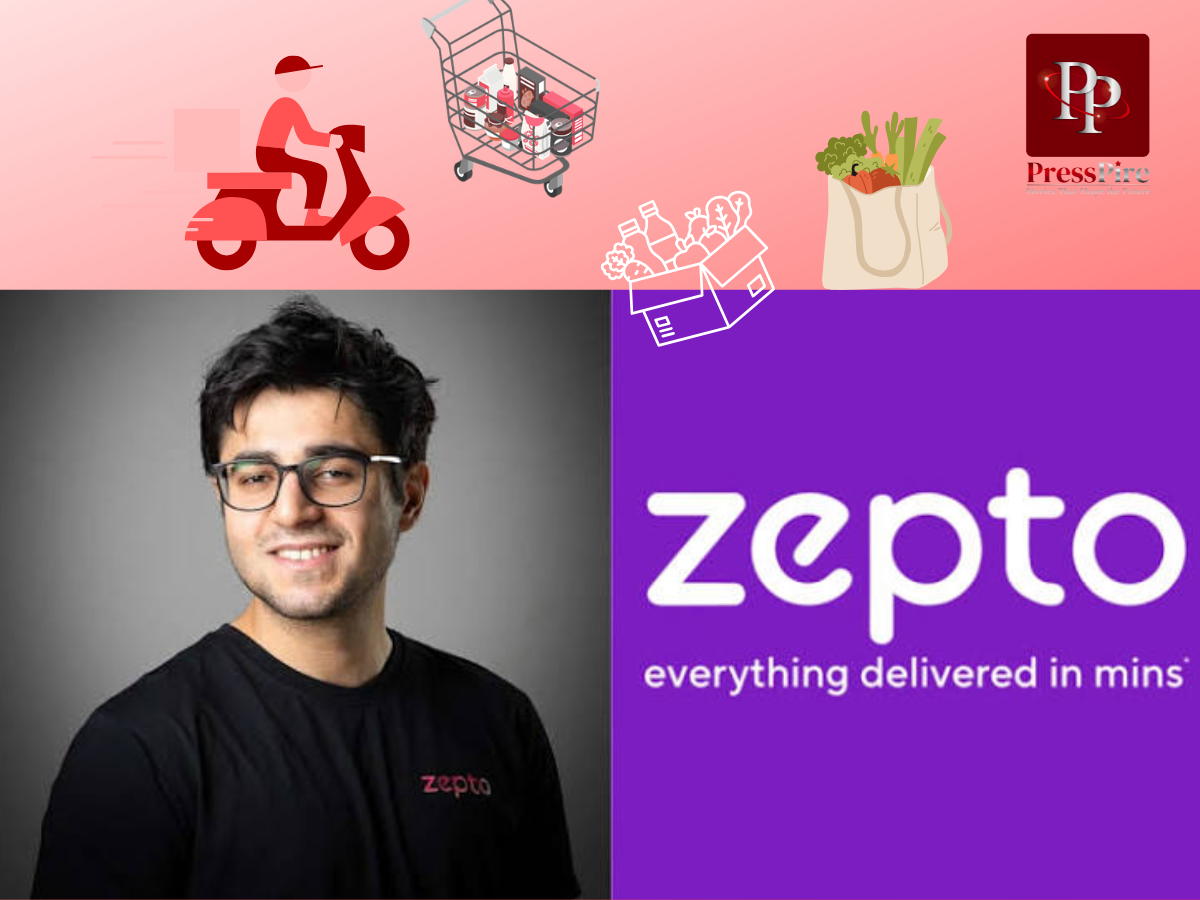
The Startup Story of Zepto: From a Pandemic Idea to India’s Quick-Commerce Giant
Introduction
The rise of Zepto is one of the most fascinating startup stories in modern India. In just a few years, the company evolved from a small idea born during the COVID-19 pandemic into one of India’s leading quick-commerce platforms. What makes Zepto’s journey remarkable is not only its rapid growth but also the age of its founders, the speed of execution, and the company’s ability to change how urban Indians shop for groceries and daily essentials. However, its journey began with a simple problem that millions of Indians faced during lockdowns.
The Beginning of the Idea
Zepto was founded in 2021 by Aadit Palicha and Kaivalya Vohra, two childhood friends who were studying computer science at Stanford University in the United States. During the pandemic, they observed a major problem in India’s online grocery market. People were struggling to get essentials delivered on time, and most platforms were taking one or two days to complete grocery orders.
The founders believed that consumers no longer wanted to wait for basic necessities. They realized there was a gap in the market for ultra-fast delivery services. This observation became the foundation of their entrepreneurial journey.
Initially, the duo launched a platform called KiranaKart, which partnered with local grocery stores to deliver products quickly. However, the model faced several operational challenges. Since inventory and product availability depended on third-party stores, deliveries were often delayed and inconsistent. The founders soon understood that if they wanted to build a reliable quick-delivery business, they needed more control over operations. This realization led to the birth of Zepto.
The Birth of Zepto
After learning from the limitations of KiranaKart, Aadit and Kaivalya decided to adopt the “dark store” model. Dark stores are small warehouses located in densely populated urban areas that are used only for online order fulfillment. Unlike supermarkets, customers cannot walk into these stores. This model gave Zepto complete control over inventory, packaging, and delivery operations. It also allowed the company to significantly reduce delivery times. Zepto soon became known for its promise of delivering groceries in around 10 minutes. The idea immediately attracted attention. At a time when most e-commerce companies focused on same-day or next-day delivery, Zepto introduced a completely new standard of convenience in India.
One of the boldest moments in the company’s story came when both founders dropped out of Stanford University to focus entirely on the startup. Despite being very young, they showed confidence in their vision and convinced investors that quick commerce had enormous potential in India.
Rapid Growth and Expansion
Zepto’s growth after launch was exceptionally fast. The company quickly expanded into major Indian cities including Mumbai, Bengaluru, Delhi, Hyderabad, Pune, and Chennai. Urban consumers, especially younger professionals and students, embraced the convenience of instant grocery delivery.
The company’s success was driven by several important factors:
- Strong Technology Infrastructure: Zepto invested heavily in technology. Its systems optimized delivery routes, tracked demand patterns, and managed inventory efficiently. This helped the company maintain fast delivery speeds while reducing operational delays.
- Focus on Customer Experience: The company understood that speed alone was not enough. Customers also wanted reliability, accurate deliveries, and product availability. Zepto worked on improving packaging quality and order accuracy to build trust among users.
- Expansion of Dark Stores: To reduce delivery time, Zepto rapidly increased the number of dark stores across cities. These small fulfillment centers became the backbone of the company’s operations.
Investor Confidence and Unicorn Status
Zepto’s rapid growth attracted major investors from around the world. The startup raised significant funding from venture capital firms and global investment companies. Investors saw huge potential in India’s growing digital economy and the increasing demand for convenience-based services. By 2023, Zepto achieved unicorn status, meaning the company’s valuation crossed $1 billion. This was a major milestone for such a young startup.
In 2024, the company raised another major funding round worth hundreds of millions of dollars, pushing its valuation even higher. The funding helped Zepto strengthen its infrastructure, expand into new cities, and compete aggressively with rivals in the quick-commerce market. The company also diversified beyond groceries by introducing categories such as personal care products, electronics, snacks, and ready-to-eat food through Zepto Café.
Challenges Faced by Zepto
- High Operational Costs: The quick-commerce business model is extremely expensive to operate. Maintaining dark stores, managing delivery networks, and offering customer discounts require massive financial investment.
- Profitability Concerns: One of the biggest concerns surrounding quick-commerce companies is profitability. Many industry analysts believe that delivering products within minutes while keeping prices affordable is difficult to sustain in the long run.
- Intense Competition: Zepto faces strong competition from established players such as Blinkit, Swiggy Instamart, and BigBasket. These companies are continuously investing in expansion, technology, and customer acquisition.
- Pricing and Sustainability Issues: Some customers and industry experts have raised concerns regarding pricing strategies, hidden delivery charges, and the long-term sustainability of ultra-fast delivery models.
- Pressure to Scale Efficiently: As Zepto expands into more cities and increases its customer base, the company must continuously improve operational efficiency while maintaining delivery speed and service quality.
Zepto’s Current Position
Today, Zepto has become one of the most recognized quick-commerce brands in India. The company reportedly operates hundreds of dark stores and handles millions of orders across multiple cities.
Its brand image is particularly strong among young urban consumers who value convenience and speed. Zepto has successfully positioned itself not just as a grocery delivery app, but as a platform that saves time in busy city life.
The company has also shown interest in strengthening its long-term presence in India by expanding infrastructure and preparing for future business opportunities, including the possibility of a public listing.
The Future of Zepto
The future of Zepto looks promising, but it will also depend on how effectively the company balances growth with profitability.
India’s quick-commerce market is expected to grow rapidly in the coming years as more consumers adopt digital shopping habits. Zepto’s early-mover advantage, technology-driven operations, and strong brand recall give it a competitive edge.
At the same time, the company will need to manage operational costs carefully while maintaining customer satisfaction. Expansion into smaller cities, diversification of product categories, and innovation in delivery systems could shape the next phase of its growth.
If Zepto succeeds in building a sustainable business model, it could become one of India’s most influential consumer technology companies.