Licious: The Startup That Changed How India Buys Meat
In India, buying fresh meat was once an experience associated with crowded local markets, inconsistent hygiene, and uncertainty about quality. For decades, consumers accepted this as normal. But in 2015, two entrepreneurs decided to challenge that deeply unorganized system. Their company, Licious, did not just create a business opportunity it transformed an entire category.
Today, Licious is regarded as one of India’s most successful direct-to-consumer food brands, often credited with bringing professionalism, technology, and trust into the meat retail industry.
The Beginning of an Unusual Idea
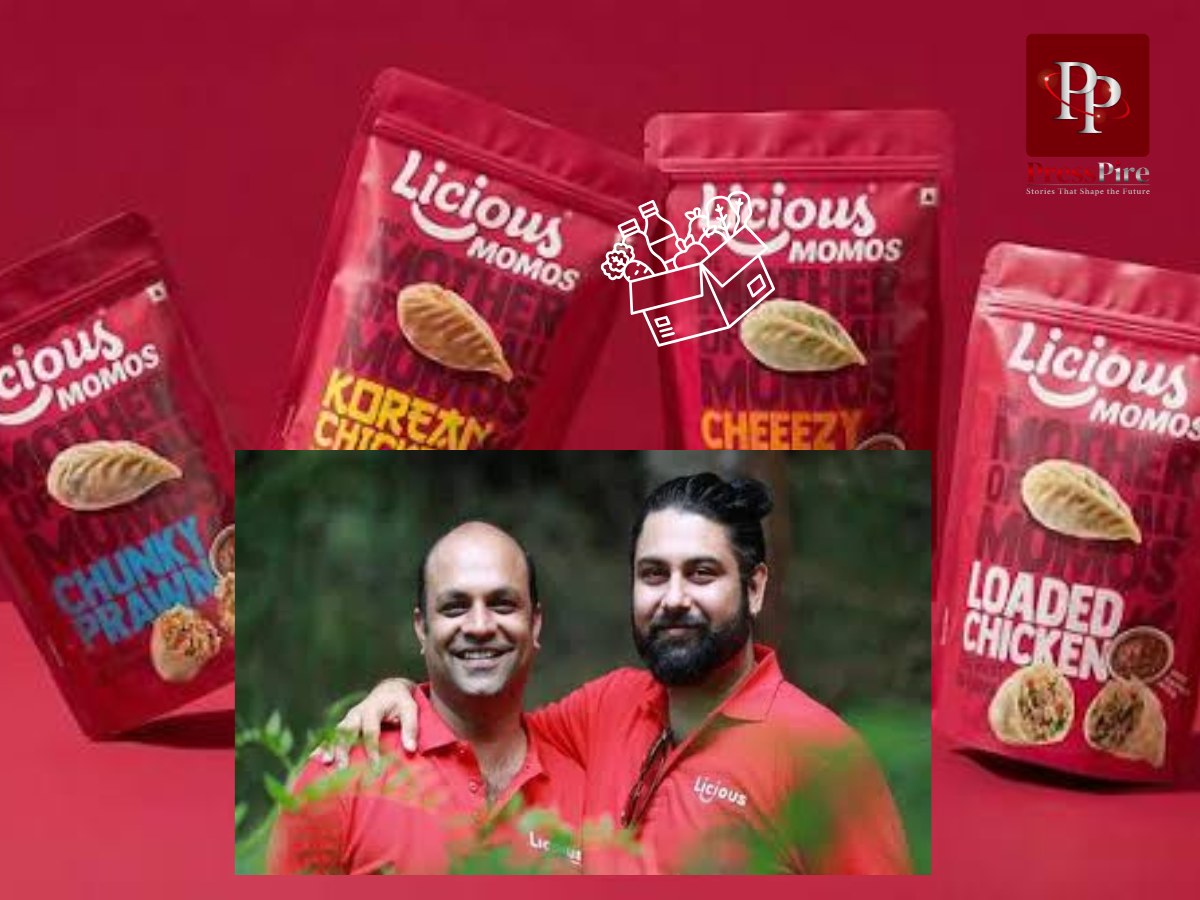
The story of Licious began with a simple consumer frustration. Founders Vivek Gupta and Abhay Hanjura noticed a major gap in India’s meat market while living in Bengaluru. Despite rising urban incomes and changing food habits, consumers still had limited access to hygienically processed and high-quality meat products.
At the time, the Indian meat industry was largely fragmented. Most purchases happened through local butcher shops where standardization was rare. There was little transparency around sourcing, freshness, or handling practices. Gupta and Hanjura believed that if Indians were willing to trust online platforms for groceries and electronics, they would eventually trust a reliable platform for fresh meat as well.
In 2015, they launched Licious with a “farm-to-fork” model, meaning the company would control the supply chain from sourcing to delivery. This decision became the foundation of the company’s identity.
Building Trust in a Difficult Market
The early days were far from easy. Selling meat online in India was considered risky. Investors questioned whether consumers would buy perishable products digitally. There were also operational challenges involving cold storage, logistics, sourcing, and delivery timelines.
However, the founders understood that trust would be their biggest competitive advantage. Instead of functioning as a marketplace, Licious built its own processing centers, maintained cold-chain logistics, and introduced standardized packaging. Customers could order cleaned, cut, and vacuum-packed meat delivered directly to their homes.
This attention to quality helped the startup stand out quickly in metro cities. Urban professionals, especially young families and working couples, appreciated the convenience and hygiene standards offered by the platform.
More importantly, Licious managed to turn meat shopping, traditionally considered unpleasant, into a premium consumer experience.
Technology Meets Food Retail
One of the biggest reasons behind Licious’ growth was its use of technology. Unlike traditional meat sellers, the company used data analytics to understand customer behavior, forecast demand, and reduce wastage.
Its mobile-first strategy also helped it connect with younger consumers who were already comfortable ordering food online. Over time, Licious expanded beyond raw meat into marinated products, ready-to-cook meals, cold cuts, spreads, and seafood.
This diversification helped the brand increase repeat purchases while building customer loyalty.
The company also invested heavily in branding and marketing. Instead of focusing only on price, Licious marketed itself around freshness, safety, and convenience. In a category where branding was almost non-existent, this approach proved highly effective.
Rapid Growth and Unicorn Status
As India’s online grocery ecosystem expanded, Licious benefited from changing consumer habits. The COVID-19 pandemic further accelerated online food purchases, and demand for home-delivered essentials surged.
The company witnessed significant growth during this period. According to reports, the business expanded rapidly during the pandemic, though the founders later admitted that sustaining that pace required major operational restructuring afterward.
In 2021, Licious became India’s first direct-to-consumer meat startup to achieve unicorn status, crossing a valuation of $1 billion. The company attracted investments from major firms including Temasek and 3one4 Capital.
The milestone was important not only for Licious but also for India’s broader startup ecosystem. It demonstrated that even highly traditional sectors could be modernized through technology and consumer-focused innovation.
Financial Challenges and Strategic Reset
Despite its rapid rise, Licious also faced the reality that many fast-growing startups encounter profitability. Like several consumer internet companies, the startup spent aggressively on expansion, logistics, and customer acquisition.
By FY24, the company experienced slower growth and declining revenues after reducing dependence on third-party channels. However, it simultaneously managed to cut losses significantly through tighter cost control and operational efficiency.
Instead of chasing growth at any cost, the founders began focusing on sustainable expansion. They strengthened owned channels, optimized supply chains, and expanded offline retail stores.
Industry analysts viewed this phase as a sign of maturity rather than decline. The company shifted from aggressive scaling to building a long-term, resilient business model.
Unlike many startups focused purely on valuations, the leadership at Licious has repeatedly emphasized long-term business fundamentals over hype. They have delayed IPO ambitions to focus on strengthening operations and retail expansion.
The Future for Licious
The future of Licious appears closely tied to changing Indian consumption patterns. Urban consumers are increasingly seeking convenience, premium food experiences, and trusted brands. This trend works strongly in Licious’ favor.
The company plans to expand its offline footprint significantly while strengthening categories like ready-to-cook and ready-to-eat foods. It is also exploring deeper penetration into India’s fast-growing quick-commerce ecosystem.
At the same time, competition is intensifying as grocery giants and regional players enter the premium meat delivery segment. Maintaining quality consistency while scaling nationwide will remain one of Licious’ biggest challenges.
Yet, the startup’s greatest strength lies in the category it created. Before Licious, branded meat retail in India barely existed. Today, it is a recognized and rapidly growing consumer segment.
From a bold idea born out of dissatisfaction to becoming one of India’s most recognized food-tech startups, Licious represents how innovation can emerge even in the most traditional industries. Its journey reflects not just entrepreneurial ambition, but also a deep understanding of evolving Indian consumers.