
Five Life-Changing Self-Help Books Everyone Should Read at Least Once
The Books That Continue to Shape Minds, Habits, and Success Stories Around the World
In a world overflowing with information, finding advice that genuinely transforms your life can be difficult. Every year, thousands of self-help books are published, promising everything from wealth and productivity to happiness and personal growth. Yet only a handful stand the test of time and continue to influence generations of readers.
The best self-help books are not about quick fixes. They challenge our thinking, reshape our habits, and provide practical frameworks that can be applied in everyday life. Whether you’re a student, entrepreneur, professional, or someone simply looking to grow, these five books offer lessons that remain relevant regardless of age, profession, or background.
1. The 7 Habits of Highly Effective People; A Masterclass in Personal Leadership
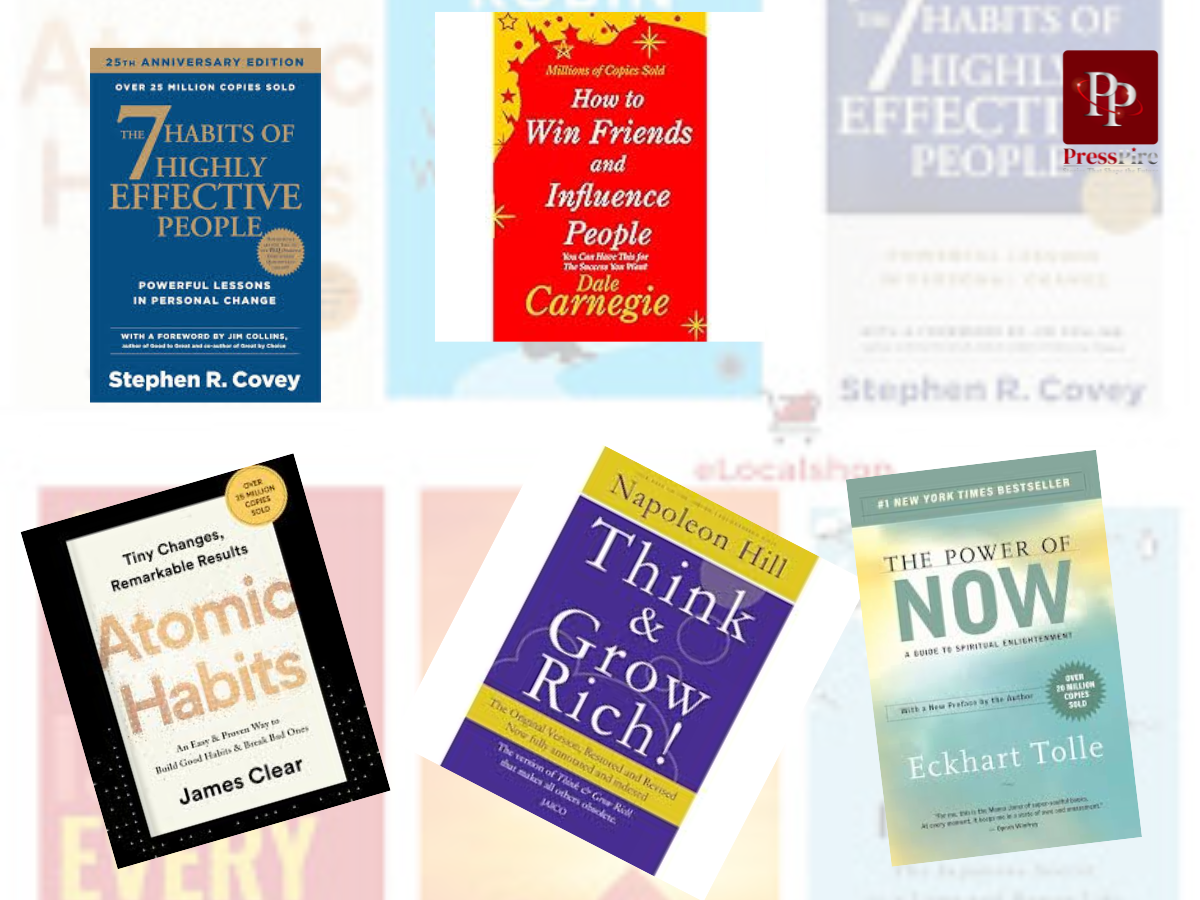
The 7 Habits of Highly Effective People by Stephen R. Covey
Few books have influenced modern personal development as profoundly as The 7 Habits of Highly Effective People. First published in 1989, it remains one of the most respected guides to personal and professional effectiveness.
Rather than offering shortcuts, Covey focuses on timeless principles such as responsibility, integrity, and continuous improvement. His seven habits encourage readers to move from dependence to independence and eventually to interdependence.
Key Lessons
- Be proactive instead of reactive.
- Begin with a clear vision of your goals.
- Prioritize what truly matters.
- Build relationships based on mutual benefit.
- Commit to lifelong learning and self-renewal.
What makes this book exceptional is its emphasis on character rather than personality. Covey argues that lasting success comes from developing strong principles rather than chasing temporary achievements.
2. Atomic Habits; The Science of Small Improvements
Atomic Habits by James Clear
Many people fail to achieve their goals not because they lack ambition, but because they underestimate the power of small daily actions. This is the central idea behind Atomic Habits.
James Clear explains how tiny improvements, repeated consistently, can produce remarkable results over time. Instead of focusing solely on goals, he encourages readers to build systems that make success inevitable.
Key Lessons
- Improve by just 1% every day.
- Focus on systems rather than outcomes.
- Make good habits obvious and easy.
- Break bad habits by increasing friction.
- Identity shapes behavior.
One reason this book resonates with millions of readers is its practicality. Every concept is supported by research and accompanied by actionable strategies that can be implemented immediately.
3. Think and Grow Rich; The Classic Blueprint for Achievement
Think and Grow Rich by Napoleon Hill
Although written in 1937, Think and Grow Rich continues to be one of the most influential personal development books ever published.
Napoleon Hill spent years studying some of the most successful individuals of his era, including industrialists, inventors, and business leaders. From these observations, he developed a philosophy centered on mindset, persistence, and purposeful action.
Key Lessons
- Desire is the starting point of achievement.
- Persistence separates winners from quitters.
- Self-belief influences outcomes.
- Clear goals create direction.
- Success often begins with disciplined thinking.
While some ideas reflect the era in which the book was written, its core message remains powerful: achievement starts in the mind before it appears in reality.
4. How to Win Friends and Influence People; The Ultimate Guide to Human Relationships
How to Win Friends and Influence People by Dale Carnegie
Success in life is often determined not just by what we know but by how well we interact with others. This classic book teaches the art of communication, persuasion, and relationship-building.
Carnegie’s principles are simple yet remarkably effective. Instead of trying to impress people, he encourages readers to show genuine interest in them.
Key Lessons
- Listen more than you speak.
- Avoid unnecessary criticism.
- Appreciate people sincerely.
- Remember and use people’s names.
- Seek to understand before being understood.
Nearly a century after its publication, the book remains highly relevant in workplaces, businesses, and personal relationships. Its lessons are timeless because human nature has changed very little.
5. The Power of Now, Finding Peace in the Present Moment
The Power of Now by Eckhart Tolle
Modern life often traps people between regrets about the past and worries about the future. The Power of Now offers a different perspective: true peace can only be experienced in the present moment.
Eckhart Tolle explores mindfulness, consciousness, and the relationship between thought and suffering. His teachings encourage readers to observe their minds rather than become controlled by them.
Key Lessons
- Most stress comes from dwelling on the past or future.
- Awareness is the foundation of personal growth.
- Thoughts are not always reality.
- Inner peace comes from presence.
- Happiness exists in the current moment.
For readers seeking emotional balance and mental clarity, this book provides a powerful introduction to mindfulness and self-awareness.