
Weaving a Revolution: How Suta Bombay Turned the Everyday Saree Into a Modern Movement
There was a time when sarees were quietly slipping out of everyday wardrobes, especially among younger women in urban India. They were often seen as occasion wear; beautiful, traditional, but impractical for daily life. In the middle of this changing fashion landscape, Suta Bombay arrived with a simple but powerful idea: make sarees feel personal, comfortable, emotional, and easy again.
What started as a small homegrown label in Mumbai has now become one of India’s most recognisable slow-fashion brands. More than just selling six yards of fabric, Suta created a cultural shift around how sarees are worn, photographed, marketed, and emotionally experienced.
The Beginning Was Rooted in Memory
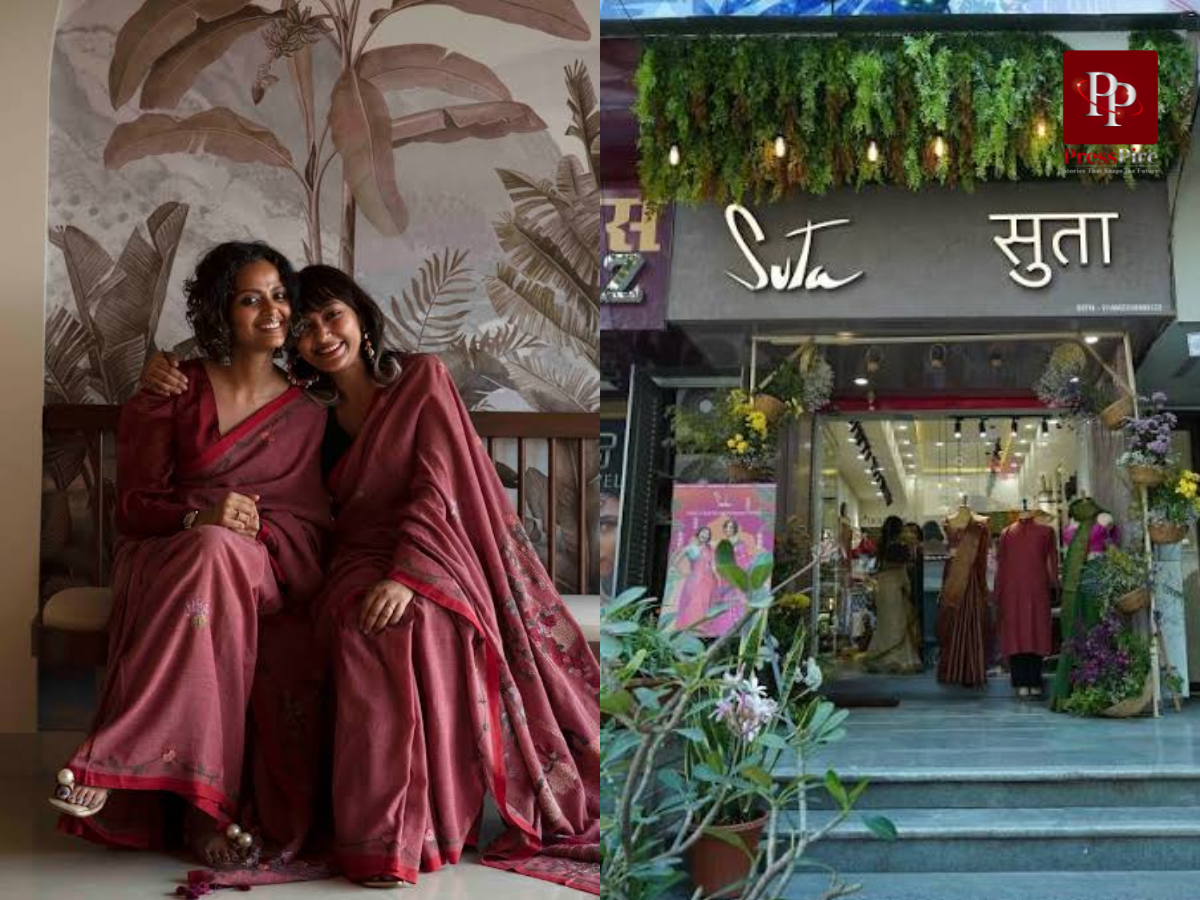
Suta’s story began in 2016, not inside a fashion studio but through memories of soft cotton sarees worn by mothers and grandmothers at home. The brand was founded by sisters Sujata and Taniya Biswas, who came from engineering and corporate backgrounds rather than fashion schools. While the founders brought the vision alive, the real heart of the business was always the product itself; lightweight, breathable sarees that women could actually live in.
The name “Suta” itself means thread in Bengali, and the brand built its philosophy around that idea of connection; between fabric and emotion, artisan and wearer, tradition and modern life.
The sisters reportedly started the business with modest savings and no external funding. They travelled to weaving clusters, especially in West Bengal, and worked closely with artisans to understand fabrics and handloom processes. During these visits, they realised that weaving was not merely production work; it was storytelling through texture and craft. That understanding shaped the brand forever.
The Saree That Changed the Conversation
At a time when heavily embroidered and occasion-focused sarees dominated the market, Suta introduced soft mul cotton sarees that looked effortless. Their now-famous “Made in Heaven Mul” sarees became the brand’s signature product. These sarees were feather-light, fluid, and intentionally simple.
The genius of the product was not extravagance; it was comfort.
Women who had once associated sarees with stiffness suddenly found something wearable for work meetings, flights, coffee outings, and even lazy afternoons at home. Suta turned the saree into an everyday garment again.
The detailing also mattered. Instead of overwhelming designs, the brand focused on subtle colours, playful tassels, handwoven textures, and emotional naming. Every collection felt poetic rather than commercial. The storytelling around each product created intimacy, making customers feel they were buying something personal instead of mass-produced fashion.
Building a Brand Without Looking Like One
One of Suta’s biggest strengths was its authenticity. In its early days, the founders themselves modelled the sarees. The photographs looked natural, unfiltered, and relatable, a sharp contrast to heavily edited fashion campaigns.
This helped Suta connect deeply with young consumers who were tired of unrealistic beauty standards. Women of different ages, body types, and skin tones began appearing in Suta’s campaigns and customer communities. The saree was no longer presented as a “perfect occasion garment”; it became expressive, relaxed, and inclusive.
Social media played a massive role in this transformation. Instead of selling aggressively, Suta built conversations around comfort, self-expression, nostalgia, and identity. Customers became loyal community members rather than one-time buyers. That emotional connection gave the brand a strong organic following long before influencer marketing became mainstream.
From Small Label to National Brand
Over the years, Suta evolved from a saree startup into a larger lifestyle label. The company expanded into blouses, dresses, kurtas, menswear-inspired silhouettes, and accessories while retaining its handcrafted identity.
At the same time, its artisan network grew significantly. The brand has consistently highlighted its work with weaving communities across India, bringing attention to handloom traditions that often struggle against fast fashion.
Unlike many modern startups, Suta grew largely without the fuel of aggressive venture capital. Its growth came through community loyalty, repeat customers, and careful brand-building. That slower pace may have helped preserve the emotional quality that defines the label today. Offline stores across multiple Indian cities further strengthened the brand. But even in physical retail spaces, Suta avoided the polished luxury-store atmosphere. Its outlets were designed more like warm storytelling spaces than intimidating boutiques.
Why Suta Worked When Others Didn’t
Many fashion startups sell products. Suta sold familiarity. The brand understood that modern Indian consumers were not rejecting tradition, they were rejecting discomfort and outdated presentation. By making sarees softer, styling them casually, and speaking in a warm, human voice, Suta managed to reposition an old garment for a new generation.
Its timing also aligned perfectly with the rise of mindful fashion. As conversations around sustainability, handloom revival, and artisan support gained momentum, Suta naturally fit into that cultural shift. The brand’s success proves that heritage products do not need reinvention through glamour alone. Sometimes, they only need honesty.
The Road Ahead
Today, Suta stands as one of the strongest examples of India’s new-age homegrown fashion businesses. Its future appears focused on expanding categories while continuing to champion handwoven textiles and artisan-led production.
The challenge, however, will be maintaining authenticity as the business scales further. Customers connected with Suta because it felt intimate and deeply human. Preserving that feeling while growing nationally and potentially globally will define its next chapter.
But if Suta’s journey has shown anything so far, it is this: in an industry obsessed with speed, trends, and noise, softness can still become a powerful business idea.