
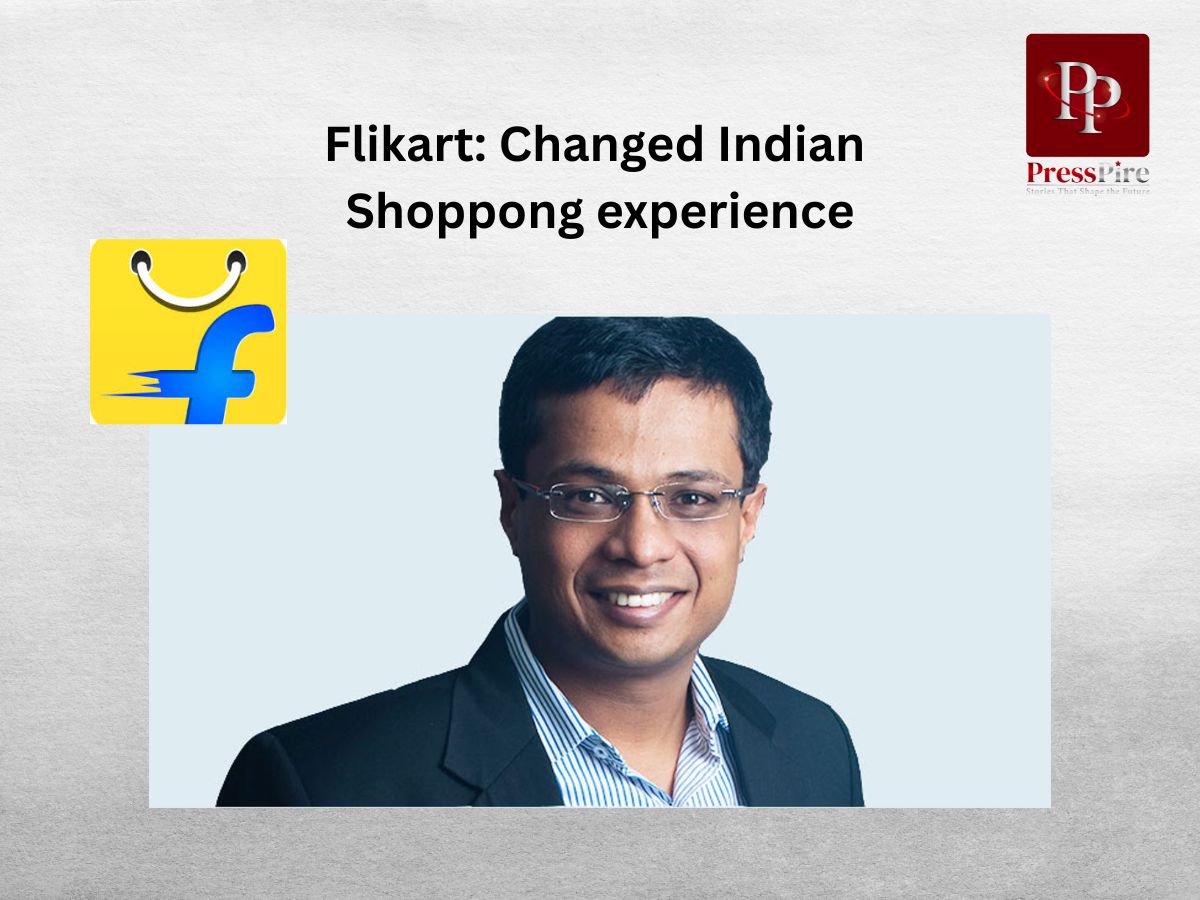
From a Bengaluru Apartment to a $16 Billion Exit: The Flipkart Revolution That Changed Indian Shopping
The Founders Behind Flipkart
Sachin Bansal and Binny Bansal identified the untapped potential of internet-based retail long before global e-commerce giants fully entered India’s online shopping market.
Both founders graduated from Indian Institute of Technology Delhi and worked at Amazon before launching their own startup in 2007. Despite sharing the same surname, the two were not related. Their experience at Amazon gave them valuable insights into how online retail and logistics systems could evolve in India’s emerging internet economy.
Launching Flipkart in India’s Early Internet Era
At the time Flipkart was founded, India’s internet ecosystem was still at an early stage. Online payment systems suffered from low consumer trust, logistics infrastructure remained underdeveloped, and many consumers were hesitant to shop online.
Despite these challenges, the founders believed that India’s growing internet user base would eventually create massive opportunities in digital commerce. Flipkart initially started as an online bookstore operating from a small apartment in Bengaluru. During the early days, the founders personally handled customer support, deliveries, packaging, and logistics. Their strong focus on customer experience quickly became one of the company’s biggest differentiators.
The Innovation of Cash on Delivery
One of Flipkart’s most influential innovations was introducing Cash on Delivery (COD) as a payment option.
At a time when many Indian consumers lacked confidence in digital payments, COD significantly increased trust and order conversion rates. This simple but highly effective strategy accelerated e-commerce adoption across India. The company also invested heavily in warehousing systems and supply-chain infrastructure. Unlike several early internet businesses that depended entirely on third-party logistics providers, Flipkart developed greater operational control over deliveries to improve reliability and customer satisfaction.
Rapid Expansion Across Categories
As smartphone adoption and internet penetration increased, Flipkart expanded rapidly into categories including electronics, fashion, appliances, and household products.
The company attracted major investments from firms such as Accel, Tiger Global, Naspers, and SoftBank. By the mid-2010s, Flipkart had become India’s leading e-commerce platform and emerged as a major competitor to Amazon India. This rivalry triggered intense discount wars, aggressive customer acquisition campaigns, and rapid infrastructure expansion across India’s e-commerce sector.
Acquisitions and Ecosystem Growth
Flipkart strengthened its ecosystem through several strategic acquisitions. The company acquired Myntra and Jabong to expand its fashion business, while PhonePe strengthened its position in digital payments and fintech. These acquisitions helped Flipkart evolve beyond a general retail platform into a broader digital commerce ecosystem.
Big Billion Days and Consumer Transformation
One of Flipkart’s most defining marketing initiatives was Big Billion Days, a large-scale festive sales event that dramatically increased online shopping participation across India.
The campaign became one of the country’s most recognized e-commerce events and played a major role in normalizing online shopping behavior among Indian consumers. Beyond sales growth, Flipkart fundamentally changed how millions of Indians interacted with retail commerce, particularly in urban and semi-urban markets.
Challenges and the Walmart Acquisition
Despite its rapid rise, Flipkart also faced operational and financial pressures. Competing against global rivals required enormous capital investment, constant innovation, and aggressive expansion strategies.
In 2018, Walmart acquired a majority stake in Flipkart for approximately $16 billion, making it one of the world’s largest e-commerce acquisitions. Following the deal, Sachin Bansal exited the company, while Binny Bansal later transitioned away from operational leadership. The acquisition became a defining milestone for India’s startup ecosystem, demonstrating that Indian technology companies could achieve global-scale exits and compete directly with international corporations.
Influence on India’s Startup Ecosystem
The impact of Flipkart extended far beyond e-commerce. The company inspired a generation of entrepreneurs and startup operators across India. Many former Flipkart employees later founded successful ventures in fintech, logistics, SaaS, and social commerce. Sachin and Binny Bansal’s journey demonstrated how operational execution, customer trust, and infrastructure investment could create category-defining businesses even in markets with early-stage digital adoption challenges.
Flipkart’s Legacy Today
Today, Flipkart remains one of India’s largest e-commerce companies and a foundational pillar of the country’s internet economy.
The company’s success story continues to be viewed as one of the most important chapters in India’s startup history, while Sachin Bansal and Binny Bansal remain among the most influential entrepreneurs in India’s technology ecosystem.