BlissClub: How a Pair of Leggings Turned Into One of India’s Most Loved Activewear Brands
In India’s crowded fashion startup ecosystem, very few brands have managed to build both a strong product identity and an emotional connection with consumers. BlissClub is one of those rare exceptions. What began as a simple attempt to solve a very real problem faced by Indian women has now evolved into a fast-growing direct-to-consumer activewear brand that is redefining comfort, movement and community.
Unlike many startups that chase trends, BlissClub built its foundation around one thing: product obsession. The brand did not begin with dozens of categories or aggressive expansion plans. It started with leggings and a clear understanding that Indian women deserved better activewear.
The Problem Hidden Inside Every Workout
Before BlissClub existed, the Indian activewear market was largely dominated by international brands or generic low-cost products. While options were increasing, very few products were truly designed for Indian women. Fabrics were uncomfortable in tropical weather, sizing was inconsistent, and designs often ignored practicality. This gap became the starting point for BlissClub.
The company was founded in 2020 by Minu Margeret, a former professional with experience at companies like PhonePe and AB InBev. A national-level Ultimate Frisbee player herself, she had personally struggled to find activewear that felt comfortable during movement. Most leggings available in the market either rolled down, felt too synthetic, or were not suited to Indian body types and climate. But BlissClub was never positioned as just another fitness brand. From the beginning, the company focused on “movewear”, clothing meant not only for workouts but for everyday movement and comfort.
The Leggings That Built a Brand
BlissClub’s first major product, “The Ultimate Leggings,” became the centrepiece of the brand’s identity. Instead of flooding the market with endless styles, the company focused deeply on engineering a single hero product.
The leggings featured details that directly addressed customer pain points: high-waist support, functional pockets, squat-proof fabric, softer materials, and fits tailored for Indian proportions. The company also invested heavily in fabric research and wear testing before scaling production.
This product-first approach helped BlissClub stand out in a market where many D2C fashion brands relied primarily on marketing. Customers began discussing the comfort and practicality of the leggings organically on social media, helping the startup build trust without depending entirely on celebrity endorsements.
The company’s messaging also felt refreshingly different. Instead of focusing only on weight loss or unrealistic fitness goals, BlissClub positioned movement as something joyful and inclusive. The brand spoke to women who wanted comfort during long workdays, walks, yoga sessions or travel not just gym workouts.
Building a Community Before Building Scale
One of the smartest decisions BlissClub made early on was investing in community before aggressive expansion. Even before its products gained popularity, the startup was building digital communities through Instagram groups, WhatsApp circles, fitness challenges and movement-based campaigns.
This strategy created strong customer loyalty. Women did not simply buy from BlissClub; they identified with the brand’s messaging around comfort, confidence and body positivity.
The timing also worked in the startup’s favour. The pandemic accelerated the global shift toward comfortable clothing and athleisure. As consumers increasingly preferred versatile outfits that could transition between work, home and fitness, BlissClub’s products found a ready market.
Within a short period, the startup began witnessing rapid growth. In 2021, the company raised $2.25 million in seed funding led by Elevation Capital. Investors were attracted not only by the growing activewear market but also by the unusually strong customer engagement BlissClub had built early on.
Scaling Beyond a Startup
By 2022, BlissClub had become one of India’s fastest-growing D2C activewear startups. The company raised $15 million in Series A funding from Eight Roads Ventures and Elevation Capital. The brand reported massive growth in sales and began expanding both its product range and offline presence.
However, scaling a fashion startup in India comes with its own challenges. Rising customer acquisition costs, increasing competition from global brands, and pressure on profitability forced many D2C companies to slow down.
BlissClub, too, experienced growing losses while expanding operations. Yet the company continued strengthening its product categories and retail strategy. Revenue climbed steadily, touching over ₹92 crore in FY24 and reportedly crossing ₹135 crore in FY25 while reducing losses significantly.
What helped the brand survive in a difficult funding environment was its disciplined focus on repeat customers and product retention. Rather than depending entirely on discounts, BlissClub concentrated on improving quality, fit and user experience.
The Road Ahead
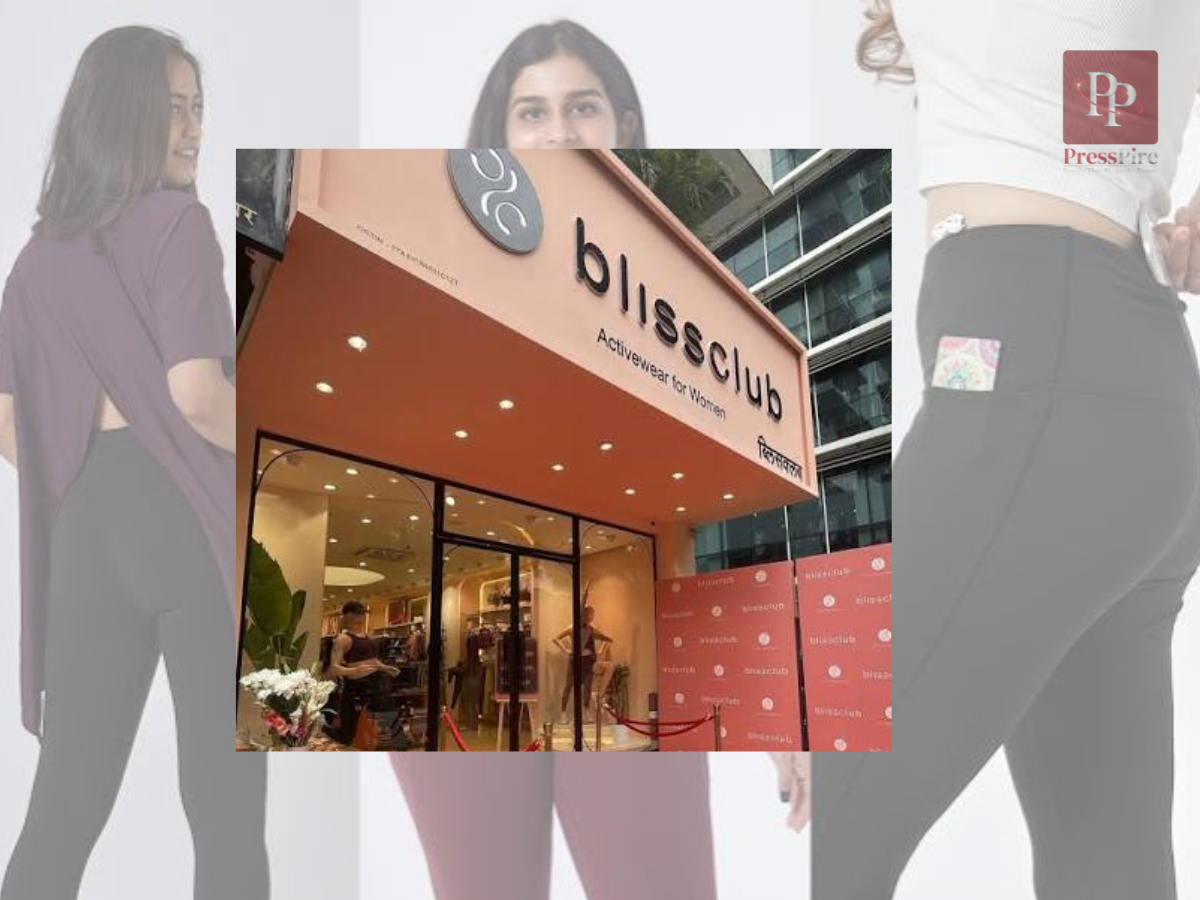
Today, BlissClub is no longer just an online leggings company. It has expanded into broader activewear and lifestyle categories while also opening offline stores across India. The startup is increasingly positioning itself as a long-term lifestyle brand rather than a niche fitness label.
The future, however, will test how effectively the company balances growth with profitability. Competition in the activewear market is intensifying, with global giants and new Indian brands targeting the same audience.
Yet BlissClub still holds a meaningful advantage: authenticity. Its growth was not built purely on advertising hype but on solving a genuine product problem for Indian women. That clarity of purpose continues to shape the company’s identity even as it scales.
In many ways, the startup’s journey reflects the evolution of modern Indian consumer brands. Today’s customers do not just buy clothing; they buy comfort, representation and belonging. BlissClub understood that early and stitched an entire business around it.