
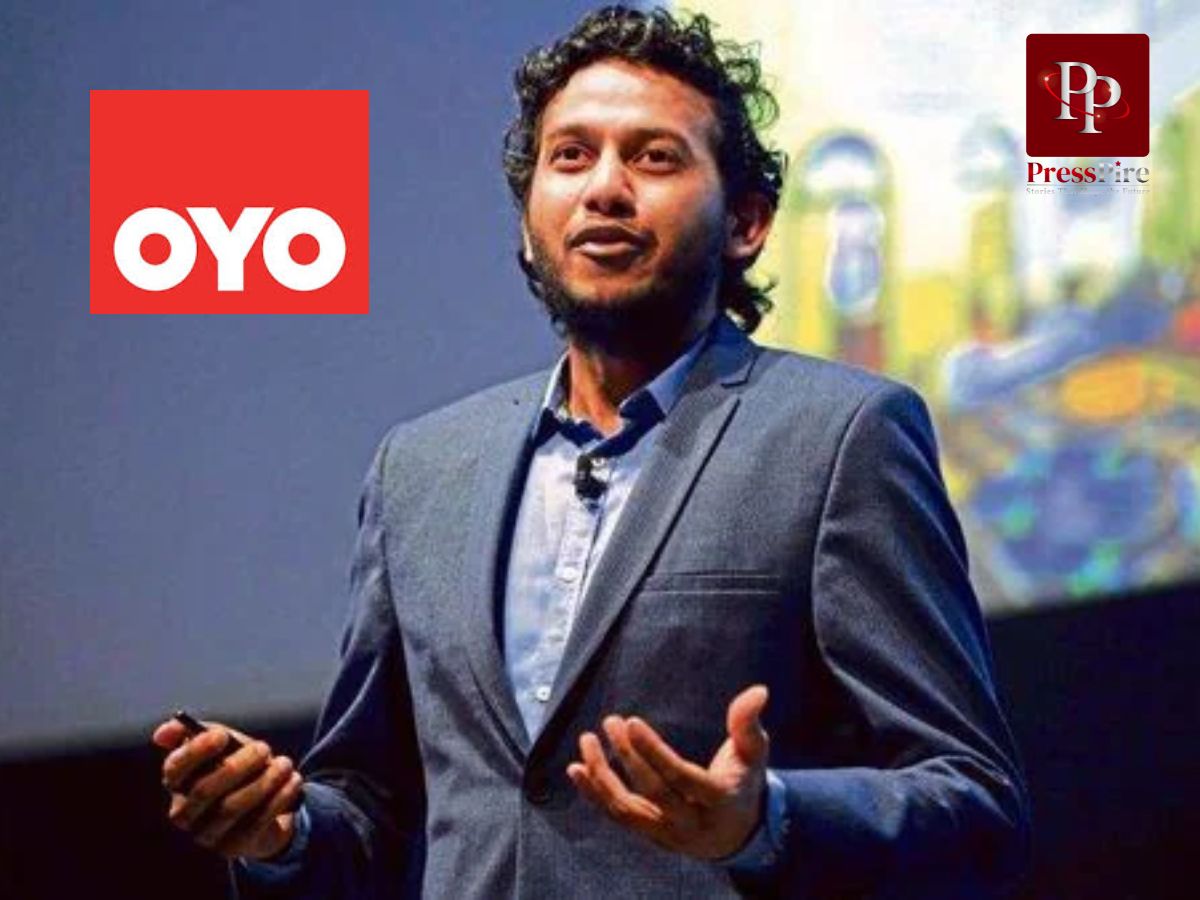
From Budget Rooms to a Global Hotel Empire: How Ritesh Agarwal Built OYO Into India’s Hospitality Giant
Early Life and Entrepreneurial Curiosity
Ritesh Agarwal became one of India’s youngest self-made billionaires by addressing a problem faced by millions of travelers, inconsistent and unreliable budget hotel experiences.
Born in Odisha in a business family, Agarwal developed an early interest in entrepreneurship and technology. As a teenager, he moved to Delhi and initially prepared for engineering entrance examinations. However, instead of pursuing a traditional academic path, he became increasingly fascinated by startups, business models, and technology-driven ventures.
Discovering the Gap in Budget Hospitality
Before launching OYO, Agarwal traveled extensively across India and observed major inefficiencies in the affordable hospitality sector. Budget hotels often lacked cleanliness, reliable customer service, booking transparency, and consistent standards.
Travelers struggled to trust online listings, while hotel owners faced challenges in marketing, occupancy, and branding. In 2012, Agarwal launched Oravel Stays, inspired by Airbnb-style accommodation models. However, after analyzing customer behavior and operational realities, he pivoted the business into OYO Rooms in 2013. The new model focused on partnering with small hotels, standardizing services, and delivering predictable customer experiences at affordable prices.
OYO’s Standardization Strategy
OYO’s core strategy centered on operational standardization. The company collaborated with independent hotel owners and introduced common standards for room quality, amenities, staff training, pricing systems, and customer support.
In return, hotel partners gained access to technology systems, marketing visibility, and higher occupancy rates. Unlike traditional hotel chains that owned properties directly, OYO adopted an asset-light business model. Instead of constructing hotels, the company scaled by onboarding partner properties. This allowed rapid expansion with relatively lower capital investment.
The Thiel Fellowship and Early Growth
One of the earliest turning points in Agarwal’s journey came when he became the first Indian resident to receive the Thiel Fellowship. The fellowship, founded by Peter Thiel, provided funding and mentorship that enabled Agarwal to focus entirely on building OYO.
As smartphone adoption and app-based travel bookings increased across India, OYO expanded rapidly. The startup benefited from growing domestic tourism and rising internet penetration in tier-2 and tier-3 cities.
Funding and Global Expansion
As investor confidence in India’s startup ecosystem grew, OYO attracted major investments from firms such as SoftBank, Lightspeed Venture Partners, and Sequoia Capital.
By 2019, OYO had reached a valuation of nearly $10 billion, becoming one of India’s most valuable startups. The company also expanded aggressively into international markets including China, Southeast Asia, Europe, and the United States. This made OYO one of the few Indian consumer startups to achieve large-scale global operations.
Operational Challenges and Criticism
Rapid expansion also brought operational difficulties. Several hotel owners criticized aspects of OYO’s contract structures, pricing systems, and revenue-sharing mechanisms. In some markets, the company faced legal disputes and allegations regarding partner relationships and operational practices. OYO publicly denied multiple allegations made against the company and its leadership.
The COVID-19 pandemic became one of the biggest tests for OYO’s business model. Global travel restrictions severely impacted the hospitality industry, forcing the company to reduce costs, restructure operations, and optimize its international expansion strategy.
Technology and Operational Efficiency
Despite challenges, Agarwal remained focused on long-term sustainability and operational efficiency. OYO shifted greater attention toward profitability, premium hospitality categories, and technology-led management systems.
Another major driver behind OYO’s success was its investment in data and technology. The company developed systems for dynamic pricing, hotel management, booking analytics, and customer feedback integration. These tools helped standardize operations across thousands of hotel properties. Over time, OYO diversified into vacation homes, coworking spaces, and premium hospitality formats while continuing to strengthen its core hotel aggregation business.
Leadership and Entrepreneurial Influence
Ritesh Agarwal’s leadership style gained significant attention because of his young age and aggressive execution strategy. In interviews and startup discussions, he frequently emphasized resilience, experimentation, and long-term thinking.
Within entrepreneurial communities, Agarwal became a symbol of India’s growing startup ambition and the rise of technology-driven consumer businesses. His journey demonstrated how solving inefficiencies in fragmented industries can create massive business opportunities. It also reflected the increasing capability of Indian startups to build globally recognized brands by addressing local market problems.
OYO’s Position Today
By 2025, OYO remained one of India’s most recognized hospitality technology companies, operating across multiple countries. Despite market volatility and operational scrutiny, the company succeeded in building large-scale hospitality infrastructure through technology partnerships rather than traditional property ownership. Today, OYO stands as one of India’s most influential hospitality startups, while Ritesh Agarwal continues to be recognized among the country’s most prominent young entrepreneurs.