
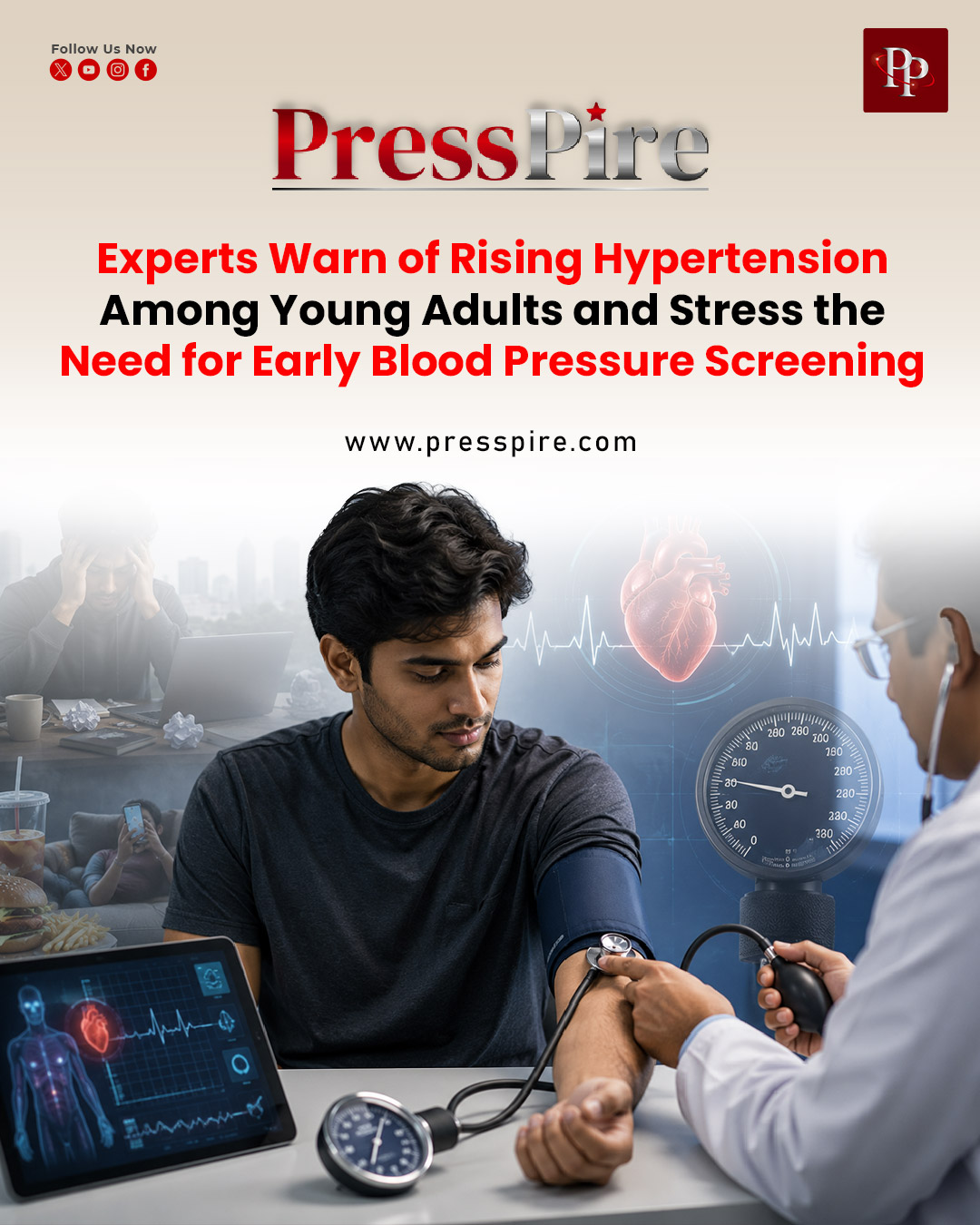
Experts Warn of Rising Hypertension Among Young Adults and Stress the Need for Early Blood Pressure Screening
Hypertension among young adults is increasing rapidly due to stress, unhealthy lifestyles, and poor habits. Learn why experts recommend early blood pressure screening and preventive measures. Hypertension among young adults is becoming a serious public health concern, with experts linking the trend to stress, unhealthy eating, sedentary lifestyles, obesity, and poor sleep. Early blood pressure screening can help detect hidden hypertension before it causes severe complications such as heart disease, stroke, and kidney damage.
Experts Warn of Rising Hypertension Among Young Adults and Stress the Need for Early Blood Pressure Screening
High blood pressure was once considered a condition that primarily affected older adults. Today, that perception is rapidly changing as healthcare professionals across the world report a worrying rise in hypertension among young adults. Individuals in their twenties and thirties, many of whom appear healthy and active, are increasingly being diagnosed with elevated blood pressure. This silent condition often develops without noticeable symptoms, allowing it to damage vital organs for years before being detected. Experts believe that growing workplace stress, irregular sleep patterns, unhealthy eating habits, physical inactivity, obesity, excessive screen time, smoking, alcohol consumption, and family history are driving this trend. Because hypertension usually develops quietly, doctors are urging young people to undergo regular blood pressure screening instead of waiting until symptoms appear. Detecting hypertension early can significantly reduce the risk of cardiovascular diseases and improve long-term health outcomes.
Why Hypertension Among Young Adults Is Increasing
The increasing prevalence of hypertension among young adults reflects significant changes in modern lifestyles over the past decade. Long working hours, competitive academic environments, financial pressures, remote working habits, processed food consumption, and reduced physical activity have collectively created an environment where elevated blood pressure is becoming more common at an earlier age. Many young professionals spend extended hours sitting in front of computers while relying on convenience foods that contain excessive amounts of sodium and unhealthy fats. At the same time, sleep deprivation has become increasingly common due to digital distractions and demanding work schedules. Medical experts also point to increasing obesity rates and diabetes among younger populations, both of which significantly increase the likelihood of developing hypertension. Since many young adults rarely visit healthcare providers unless they become seriously ill, elevated blood pressure often remains undiagnosed for years. This makes routine health check-ups and early blood pressure screening essential components of preventive healthcare rather than optional medical examinations.
How Modern Lifestyle Is Fueling Hypertension Among Young Adults
Lifestyle has become one of the strongest contributors to hypertension among young adults. Fast food, sugary beverages, excessive caffeine consumption, smoking, alcohol intake, inadequate exercise, and chronic stress all contribute to rising blood pressure levels. Urban living has made convenience a priority but often at the expense of healthy habits. Many professionals remain physically inactive throughout the day while balancing multiple responsibilities that increase mental stress. Poor dietary choices rich in salt and saturated fats further elevate cardiovascular risks. Additionally, inadequate sleep affects hormonal balance and increases stress hormones that directly influence blood pressure. Experts note that these risk factors rarely occur independently, making their combined impact even more harmful. The result is an increasing number of young individuals developing hypertension years before they would traditionally be considered at risk.
Why Early Blood Pressure Screening Saves Lives
Early Blood Pressure Screening has become one of the most effective strategies to combat hypertension among young adults because the condition often produces no warning signs. A simple blood pressure measurement takes only a few minutes but can reveal hidden cardiovascular risks that might otherwise remain undetected for years. Healthcare professionals recommend regular screening even for individuals who feel completely healthy, particularly if they have a family history of hypertension, obesity, diabetes, kidney disease, or heart conditions. Detecting elevated blood pressure early allows patients to adopt healthier habits or begin treatment before serious complications develop. Regular monitoring also enables physicians to track trends over time rather than relying on a single reading, ensuring more accurate diagnosis and better long-term management.
Hidden Risks of Untreated Hypertension Among Young Adults
One of the greatest dangers of hypertension among young adults is that it quietly damages the body over time. Persistently elevated blood pressure places excessive strain on blood vessels, forcing the heart to work harder while gradually damaging arteries, kidneys, eyes, and the brain. If left untreated, hypertension substantially increases the likelihood of heart attacks, strokes, heart failure, chronic kidney disease, and vision impairment. Because these complications typically develop after years of uncontrolled blood pressure, many young adults underestimate the seriousness of the condition until irreversible damage has already occurred. Medical specialists emphasize that early diagnosis dramatically reduces these risks through timely lifestyle modifications and appropriate medical care.
Stress and Hypertension Among Young Adults Are Closely Connected
Mental health and hypertension among young adults are becoming increasingly interconnected. High-pressure work environments, financial uncertainty, academic competition, social expectations, and constant digital connectivity contribute to chronic stress levels that can negatively affect cardiovascular health. When the body remains under prolonged stress, hormones such as cortisol and adrenaline remain elevated, increasing heart rate and blood pressure. Although temporary stress responses are natural, persistent psychological stress can gradually contribute to long-term hypertension when combined with unhealthy coping mechanisms like smoking, overeating, alcohol consumption, or poor sleep. Experts therefore recommend stress management techniques including mindfulness, meditation, regular exercise, adequate sleep, and social support as important components of blood pressure control.
Healthy Lifestyle Choices Can Prevent Hypertension Among Young Adults
Fortunately, hypertension among young adults is often preventable through sustainable lifestyle changes. Healthcare professionals recommend maintaining a balanced diet rich in fruits, vegetables, whole grains, lean proteins, and potassium while reducing sodium intake and avoiding excessive processed foods. Regular physical activity, maintaining a healthy body weight, limiting alcohol consumption, avoiding tobacco, managing stress effectively, and sleeping seven to eight hours each night significantly reduce hypertension risk. Even small improvements in daily habits can produce measurable reductions in blood pressure over time. Employers, educational institutions, and governments also have an important role in promoting healthier environments through workplace wellness initiatives, public awareness campaigns, and accessible preventive healthcare services.
Technology Is Transforming Blood Pressure Screening
Digital healthcare innovations are making early blood pressure screening more convenient than ever before. Smart blood pressure monitors, wearable devices, mobile health applications, and telemedicine consultations now enable individuals to monitor their cardiovascular health from home while sharing data directly with healthcare professionals. Artificial intelligence is also improving risk assessment by identifying patterns that may predict hypertension before severe complications develop. These technological advancements encourage more frequent monitoring while increasing patient engagement in preventive healthcare. Although digital tools cannot replace professional medical evaluation, they provide valuable support for continuous monitoring and early intervention.
The Future of Hypertension Among Young Adults Depends on Prevention
The growing burden of hypertension among young adults serves as a reminder that cardiovascular health should become a lifelong priority rather than a concern reserved for older age. As modern lifestyles continue to evolve, preventive healthcare must evolve alongside them through greater awareness, earlier screening, healthier living, and improved access to primary healthcare services. Experts agree that routine blood pressure checks should become as common as annual health examinations, particularly for young adults with lifestyle or family-related risk factors. Early detection not only prevents life-threatening complications but also empowers individuals to take control of their health before permanent damage occurs. Addressing hypertension today through education, prevention, and proactive screening will help build a healthier generation tomorrow while reducing the long-term burden of cardiovascular disease across society.
For more insights navigate: PressPire | Stories That Shape the Future
Read previous article here: https://presspire.com/cult-fit-retail-expansion-strategy/
Follow PressPire on Facebook | Instagram | LinkedIn | YouTube
PressPire | Stories That Shape the Future