
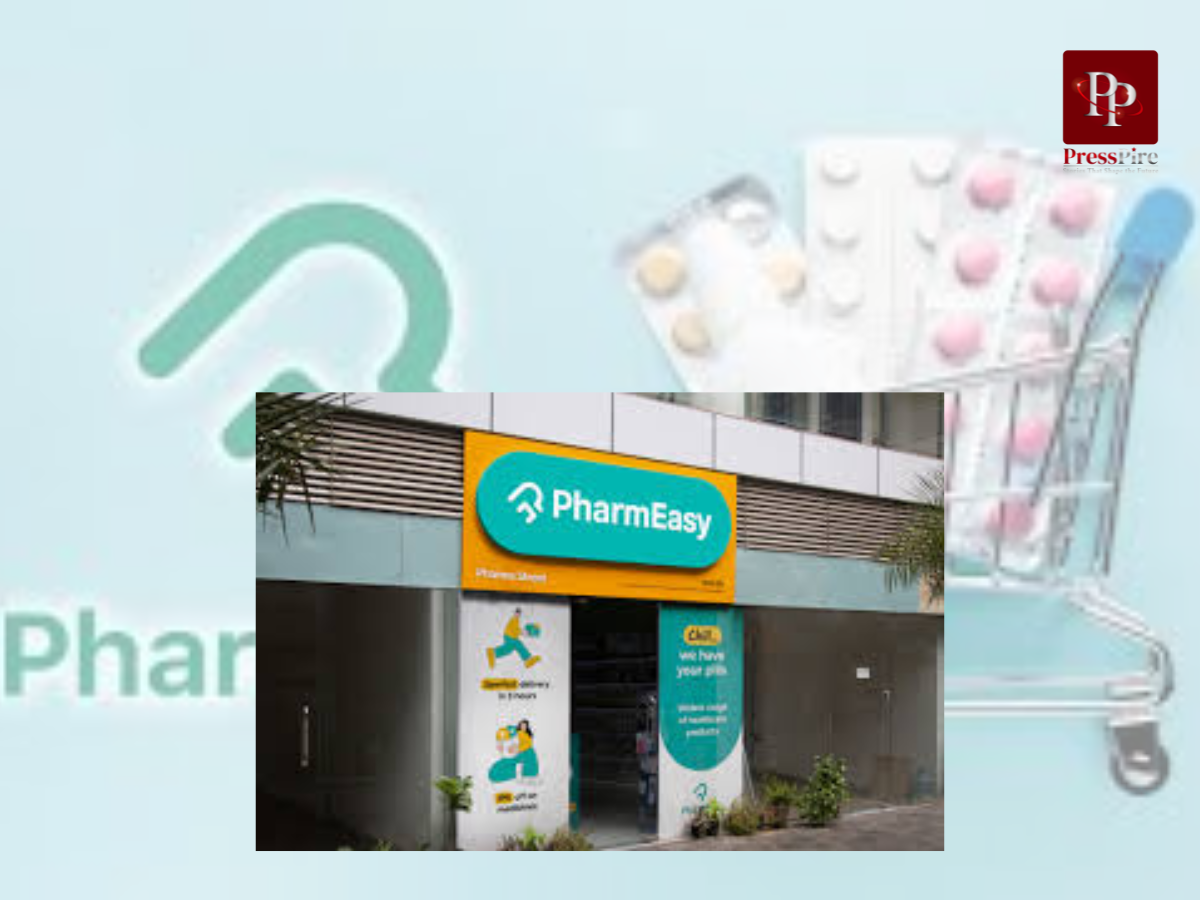
PharmEasy: The Startup That Turned India’s Medicine Delivery Into a Digital Revolution
From Long Pharmacy Queues to a Smartphone Solution
In a country where healthcare access often depends on geography, affordability, and convenience, PharmEasy emerged as a company that quietly transformed how millions of Indians buy medicines and manage healthcare needs. What started as a simple idea to digitize pharmacy orders has now become one of India’s most recognized health-tech businesses, connecting patients, pharmacies, diagnostic labs, and healthcare services on a single platform.
At a time when online grocery and food delivery apps were becoming mainstream, healthcare remained largely fragmented and offline. PharmEasy identified that gap early. The startup did not just build a medicine delivery platform; it created a healthcare ecosystem that made medicines, lab tests, and wellness products more accessible to ordinary households.
Today, PharmEasy stands as one of the strongest examples of how technology can solve real-world healthcare challenges in India.
The Beginning of a Healthcare Mission
PharmEasy was founded in 2015 by Dharmil Sheth, Dhaval Shah, and Dr. Hardik Dedhia. Unlike many startups that focused only on urban convenience, PharmEasy’s founders looked at healthcare from a practical perspective. They understood the daily struggle patients faced; unavailable medicines, confusing prescriptions, high prices, and long waits outside pharmacies.
The founders came from different professional backgrounds, which helped shape the company’s broader vision. However, the real strength of PharmEasy was not just in entrepreneurship; it was in identifying a deeply rooted healthcare inefficiency and simplifying it through technology.
Instead of opening physical pharmacies, PharmEasy built a digital bridge between customers and licensed local medical stores. Through the app, users could upload prescriptions, order medicines, and receive deliveries at home. The concept looked simple, but in India’s highly fragmented pharmacy market, it was a major operational challenge. That challenge eventually became PharmEasy’s biggest strength.
Building Trust in an Industry That Runs on Reliability
Healthcare is not like ordering clothes or electronics online. Patients expect accuracy, trust, and speed. One wrong medicine or delayed delivery can have serious consequences. PharmEasy understood this early and focused heavily on operational reliability.
The company invested in supply chain systems, prescription verification, customer support, and partnerships with pharmacies across cities. Instead of trying to replace chemists, PharmEasy collaborated with them. This partnership-driven model helped the startup scale faster while also bringing thousands of offline pharmacies into the digital economy.
One of the company’s smartest moves was offering medicine discounts and affordable healthcare products. In a price-sensitive market like India, this immediately attracted users dealing with rising medical costs. Customers who once travelled pharmacy to pharmacy for medicines could now compare prices and place orders within minutes.
Over time, PharmEasy became more than a medicine delivery app. It expanded into diagnostics, preventive healthcare, and wellness services.
Beyond Medicines: Creating a Full Healthcare Ecosystem
As digital healthcare adoption increased, PharmEasy began expanding aggressively into diagnostics and health services. The company offered home sample collection for lab tests, making healthcare more convenient for working professionals, elderly patients, and families.
This move proved crucial because it changed customer perception. PharmEasy was no longer just an e-pharmacy platform; it was becoming a healthcare companion.
The COVID-19 pandemic further accelerated this transformation. During lockdowns, when movement was restricted and physical visits became risky, millions relied on online healthcare platforms for medicines, immunity products, and diagnostic tests. PharmEasy became one of the major beneficiaries of this sudden shift in consumer behavior.
The company played a visible role during the pandemic by ensuring medicine availability and doorstep deliveries when traditional systems struggled under pressure. That period significantly increased consumer trust in digital healthcare services across India.
The Medlife Merger and Rapid Expansion
One of the biggest moments in PharmEasy’s journey came with its merger with Medlife, another major online pharmacy platform. The deal strengthened PharmEasy’s market position and expanded its customer reach across India.
Soon after, its parent company API Holdings attracted major investments from global investors, pushing the startup into the unicorn club. PharmEasy rapidly became one of India’s most valuable health-tech companies.
The company also made headlines with its attempt to enter the stock market through an IPO. Though market conditions delayed those plans, the move reflected the scale at which PharmEasy had grown in less than a decade.
Unlike many startups driven only by growth numbers, PharmEasy operated in a sector where long-term trust matters more than short-term trends. That healthcare-first positioning helped the brand remain relevant even during periods of financial pressure in the startup ecosystem.
Challenges in the Road to Digital Healthcare Leadership
Despite its success, PharmEasy’s journey has not been without obstacles. India’s online pharmacy industry operates under complex regulations, with debates around prescription verification, medicine sales, and digital healthcare compliance continuing over the years.
The company also faced increasing competition from established corporate players entering digital healthcare. Businesses backed by large retail and technology giants intensified the race for market share.
At the same time, the broader startup funding slowdown created financial pressure across the industry. PharmEasy had to focus not only on expansion but also on operational efficiency and sustainable growth.
Yet, the company’s biggest advantage remained its large customer base and strong healthcare network.
The Future of PharmEasy and India’s Health-Tech Boom
India’s healthcare sector is rapidly becoming more digital, preventive, and consumer-driven. From online consultations to AI-based diagnostics and home healthcare, technology is reshaping how people access medical services.
PharmEasy sits at the center of this transformation.
The company’s future growth is likely to depend on deeper healthcare integration — combining pharmacy services, diagnostics, chronic care management, and wellness into a seamless experience. As healthcare awareness rises in smaller cities and internet penetration expands, digital healthcare platforms are expected to witness massive long-term demand.
PharmEasy’s story is not merely about building an app. It is about simplifying healthcare access for millions in a country where medical convenience was once considered a luxury.
In many ways, PharmEasy helped normalize the idea that healthcare could be delivered digitally, efficiently, and at scale. And in doing so, it became one of the defining startups in India’s evolving health-tech revolution.