Icertis: The Startup That Turned Contracts into a Global Business Engine
In the world of startups, some companies chase trends while others quietly solve problems so fundamental that businesses cannot function without them. Icertis belongs to the second category. What began as an ambitious idea in 2009 has grown into one of the world’s most respected enterprise software companies, helping global corporations manage the contracts that govern trillions of dollars in business value.
Unlike flashy consumer startups, Icertis built its success in the complex and often overlooked world of enterprise contracting. Today, the company stands as a major force in the contract intelligence and SaaS industry, serving leading brands such as Microsoft, Mercedes-Benz, Johnson & Johnson, and Airbus.
The Problem Nobody Wanted to Solve
In the late 2000s, businesses across industries were investing heavily in digital transformation. Customer relationships were managed through CRMs, operations through ERPs, and supply chains through automated systems. Yet contracts, the documents that governed every transaction, partnership, and compliance obligation, remained fragmented and poorly managed.
Most enterprises stored contracts in emails, folders, or disconnected systems. This created delays, compliance risks, revenue leakage, and operational inefficiencies. Few startups saw this as an opportunity because contract management was considered complicated, slow-moving, and deeply enterprise-centric. That is exactly where Icertis saw its opening.
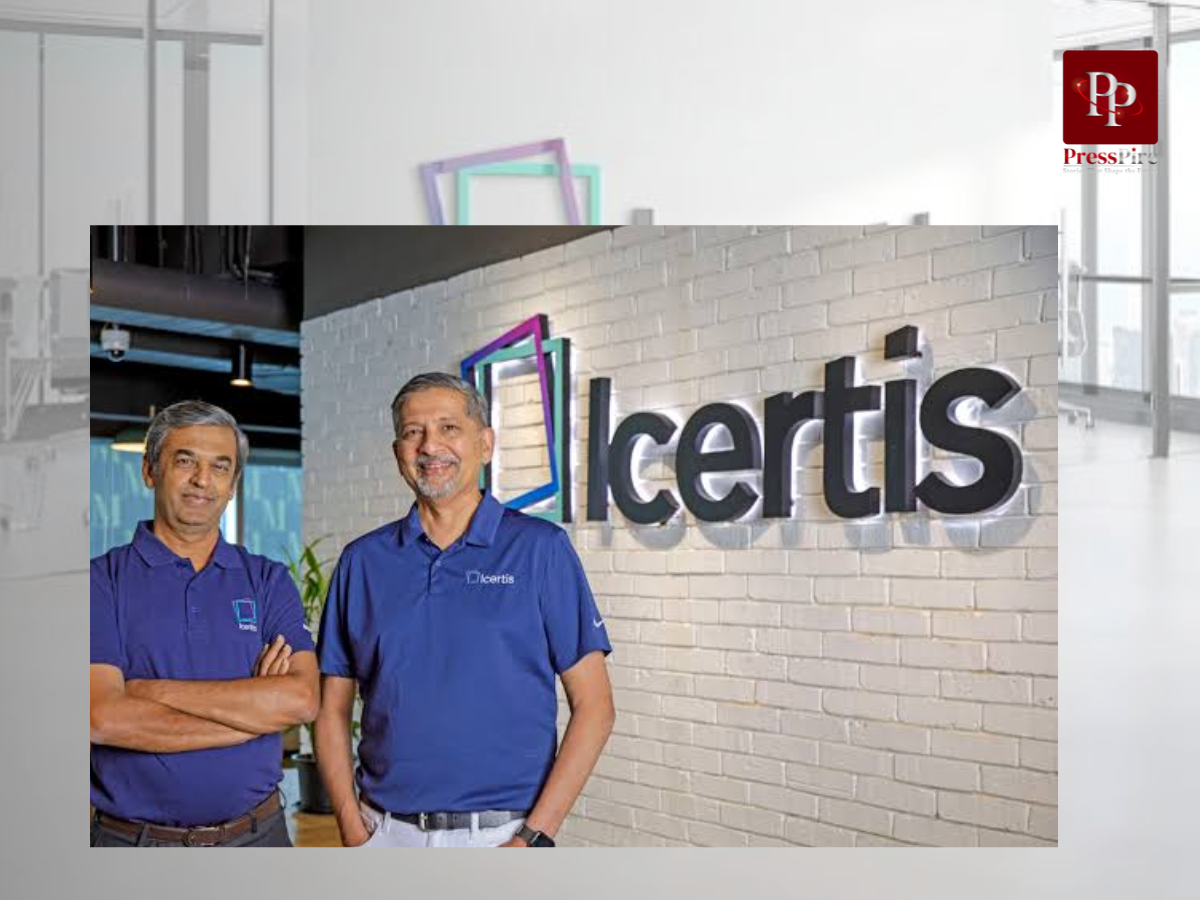
The company was founded in 2009 by Samir Bodas and Monish Darda, both experienced technology leaders who understood enterprise software at scale. Instead of building another consumer-facing platform, they focused on creating a cloud-based contract lifecycle management system that could transform contracts from static documents into strategic business assets.
A Startup Built on Enterprise Trust
One of the defining moments in Icertis’s journey came early when it secured Microsoft as a customer. For a young startup, winning the trust of one of the world’s largest technology companies was more than a commercial victory, it was validation.
At a time when cloud adoption itself was still gaining momentum, Icertis positioned its platform around intelligence, automation, and scalability. The company believed contracts should not merely be stored; they should generate insights, improve compliance, and drive business decisions.
This vision helped Icertis stand apart from traditional contract management vendors. The company’s software evolved into what it later branded as the “Icertis Contract Intelligence” platform, combining artificial intelligence, analytics, workflow automation, and enterprise integration. Its systems could identify risky clauses, automate approvals, monitor obligations, and provide operational insights from millions of contracts. While competitors focused narrowly on document storage, Icertis focused on intelligence.
Growing Quietly While the World Looked Elsewhere
Unlike many startup success stories built on aggressive marketing and media hype, Icertis expanded steadily and strategically. The company built deep relationships with large enterprises and strengthened partnerships with global technology leaders including Microsoft and SAP.
Its growth accelerated significantly during the digital transformation wave of the late 2010s. By 2019, Icertis entered the unicorn club after raising $115 million in funding at a valuation exceeding $1 billion. The momentum did not stop there.
In 2021, the company raised another $80 million, pushing its valuation to approximately $2.8 billion. Investors saw Icertis as a category leader in enterprise SaaS, particularly because contracts sit at the center of procurement, sales, compliance, and supply-chain operations. What made the growth especially impressive was the scale of customers adopting the platform. More than one-third of Fortune 100 companies reportedly use Icertis solutions today.
Leadership Beyond the Founder Story
Although Samir Bodas became widely recognized as the public face of Icertis, the company’s culture was never built around founder celebrity. Instead, its leadership style focused heavily on long-term execution, enterprise trust, and operational discipline.
Internally, Icertis became known for emphasizing values such as fairness, openness, teamwork, and execution. That culture helped the company scale globally while maintaining strong retention among enterprise clients.
The leadership team also avoided the common startup temptation of chasing rapid expansion without profitability. Even as the SaaS market became increasingly competitive, Icertis focused on sustainable enterprise growth.
That strategy appears to have paid off. Reports suggest the company crossed hundreds of millions in annual recurring revenue while maintaining strong momentum in AI-driven contract intelligence.
The AI Era Could Be Icertis’s Biggest Opportunity Yet
The rise of artificial intelligence has opened a new chapter for Icertis. Contracts contain enormous amounts of structured and unstructured business data, making them highly valuable for AI-powered analysis and automation.
Icertis has increasingly positioned itself as an AI-first company. Its platform now helps businesses analyze obligations, identify revenue risks, improve compliance, and automate workflows using advanced AI technologies.
Leadership transitions also indicate the company is preparing for its next phase of expansion. In 2025, Anand Subbaraman was appointed CEO while co-founder Samir Bodas transitioned to Executive Chairman. The move reflected the company’s ambition to evolve from a successful SaaS startup into a long-term global enterprise technology leader.
From a Niche Idea to a Global Category Leader
The story of Icertis is not about overnight success. It is about identifying a neglected business problem and solving it with patience, technical depth, and strategic clarity.
At a time when startups often chase visibility, Icertis built value quietly — contract by contract, customer by customer. What started as a focused enterprise software startup has now become one of the defining names in contract intelligence.
And as businesses increasingly rely on AI-driven decision-making, the company that once transformed contract management may now help redefine how enterprises manage trust, compliance, and commercial relationships in the digital age.