Nykaa: From a Bold Idea to India’s Beauty Empire
When a Banker Chose Lipsticks Over Boardrooms
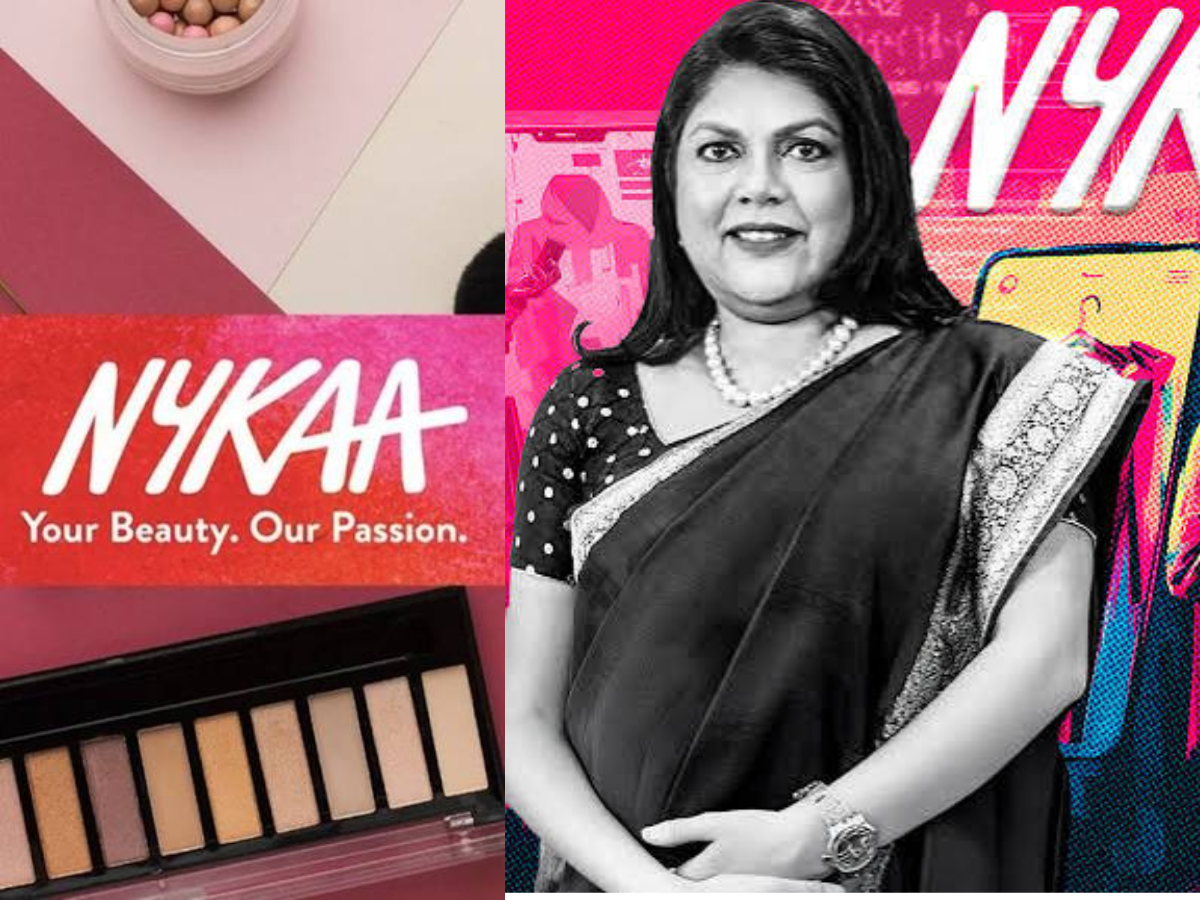
In 2012, India’s beauty market looked very different from what it does today. Buying premium cosmetics online was still uncommon, counterfeit products were everywhere, and most women relied on local stores with limited options. It was during this period that Falguni Nayar made one of the boldest career decisions in Indian business history.
After spending nearly two decades in investment banking at Kotak Mahindra Bank, where she rose to become Managing Director, Nayar left behind a stable corporate career at the age of 50. Many considered the move risky. Yet, she saw a massive gap in India’s retail ecosystem, women wanted authentic beauty products, trusted recommendations, and a seamless shopping experience.
That vision became Nykaa, a name inspired by the Sanskrit word “Nayaka,” meaning one in the spotlight. What began as an online beauty retailer soon transformed into one of India’s most successful consumer brands.
Building Trust in an Unorganised Market
Nykaa’s early years were not glamorous. Convincing global beauty brands to sell online in India was a challenge because many luxury companies feared the internet would dilute their exclusivity. Consumers, meanwhile, hesitated to buy cosmetics online without testing products physically.
Instead of chasing quick profits, Nykaa focused on credibility. The company promised 100 percent authentic products, an assurance that immediately differentiated it from many unverified sellers operating at the time. This trust-first strategy became the foundation of its growth.
Nykaa also invested heavily in beauty education. Through tutorials, blogs, influencer collaborations, and product reviews, the platform became more than an e-commerce website. It evolved into a beauty destination where consumers could learn about skincare routines, makeup trends, and wellness products before purchasing.
The timing worked perfectly. India was witnessing a rapid rise in smartphone users, digital payments, and online shopping habits. Nykaa capitalised on this digital wave while keeping its brand identity aspirational yet accessible.
The Omnichannel Masterstroke
Unlike many online startups that stayed digital-only, Nykaa understood an important reality about Indian consumers: beauty shopping is deeply personal. Customers often want to test shades, feel textures, and seek expert advice before making purchases.
This understanding led Nykaa to open physical stores across major Indian cities. The move surprised industry observers because many e-commerce companies were reducing offline investments. However, for Nykaa, the strategy proved transformative.
Its retail outlets created an omnichannel experience where online and offline shopping complemented each other. Customers could explore products in stores and later reorder online. The physical presence also strengthened customer trust and improved brand visibility.
Soon, Nykaa expanded beyond beauty into fashion, wellness, and personal care. The company introduced private-label products, allowing it to improve profit margins while creating affordable alternatives for Indian consumers.
The IPO That Changed India’s Startup Narrative
In 2021, Nykaa achieved a milestone that reshaped perceptions about Indian startups. While many technology companies were still chasing profitability, Nykaa entered the stock market as one of the few profitable digital-first businesses in the country.
Its Initial Public Offering (IPO) became a historic event. Investor demand surged, and the company received massive attention from both institutional and retail investors. When Nykaa listed on the stock exchange, Falguni Nayar became one of India’s richest self-made women entrepreneurs.
The IPO success symbolised something larger than financial achievement. It demonstrated that Indian startups could build sustainable businesses without relying entirely on aggressive discounting or endless cash burn. Nykaa’s disciplined growth model stood out in an ecosystem often obsessed with speed over stability.
Challenges Behind the Glamour
Despite its success, Nykaa’s journey has not been without obstacles. Competition intensified as global giants and Indian conglomerates entered the beauty and fashion space. Companies such as Reliance Retail and Tata CLiQ began strengthening their beauty portfolios, increasing pressure on Nykaa to innovate constantly.
The company also faced challenges related to profitability after its IPO. Rising marketing costs, expansion expenses, and changing consumer behaviour affected growth momentum. Investors started questioning whether premium valuations could be sustained in a highly competitive market.
However, Nykaa continued focusing on long-term brand building instead of reacting impulsively to market fluctuations. Its leadership maintained a strong emphasis on customer loyalty, premium positioning, and controlled expansion.
Reinventing Beauty for Modern India
One of Nykaa’s biggest achievements lies in how it changed India’s beauty culture. It helped normalise conversations around skincare, self-care, and personal grooming across age groups and regions. The company also played a major role in giving Indian consumers access to international beauty brands that were once difficult to find.
Equally important was Nykaa’s support for Indian beauty entrepreneurs and homegrown brands. As the platform grew, it became a launchpad for emerging skincare and cosmetic companies looking to reach a nationwide audience.
Today, Nykaa is not merely an online retailer. It is a powerful lifestyle ecosystem connecting technology, content, retail, and community-driven commerce.
What the Future Holds for Nykaa
Nykaa’s future will depend on how effectively it balances expansion with profitability. India’s beauty and personal care market is expected to grow rapidly over the next decade, driven by rising incomes, social media influence, and increased awareness about wellness products.
The company is likely to deepen its presence in smaller cities, where demand for premium beauty products is growing quickly. Artificial intelligence-driven recommendations, personalised shopping experiences, and stronger private-label offerings could also shape Nykaa’s next phase of growth.
Yet, perhaps Nykaa’s greatest legacy already exists. It proved that entrepreneurship has no age limit, that women-led companies can dominate highly competitive industries, and that trust remains one of the strongest currencies in business.
From a startup launched by a former banker to a billion-dollar beauty powerhouse, Nykaa’s story reflects the changing face of modern India, ambitious, digital, and unapologetically bold.