From Boutique Beginnings to Global Recognition: The Rise of Anita Dongre
A Brand Born in a Small Mumbai Apartment
Long before Anita Dongre became one of India’s most recognised fashion labels, the journey began in a modest Mumbai apartment with a simple idea, creating clothes that Indian women genuinely wanted to wear. In the late 1980s, India’s fashion industry was still largely unorganised. Designer labels were limited to elite circles, and ready-to-wear ethnic fashion for modern women barely existed. This gap became the starting point for a brand that would eventually redefine Indian fashion retail.
Anita Dongre started her entrepreneurial journey with very limited resources. Along with her siblings, she worked from home, where a small team of tailors stitched garments while orders were packed and dispatched manually. The business initially focused on western wear before gradually moving into ethnic fashion. While the founder’s story is inspiring, the true success of the brand came from its understanding of changing Indian consumers.
At a time when women were searching for outfits that balanced tradition with comfort and practicality, the label entered the market with designs that felt elegant yet wearable. That understanding became the foundation of Anita Dongre’s long-term success.
The Product That Changed the Ethnic Wear Market
The real turning point for the brand came when it identified a major gap in Indian fashion retail, premium ethnic wear that was accessible, contemporary and suitable for everyday celebrations. Until then, Indian ethnic fashion was either heavily traditional or extremely expensive couture.
Anita Dongre’s collections introduced a fresh alternative. The garments carried Indian craftsmanship, embroidery and heritage aesthetics, but the silhouettes were lighter, modern and easier to wear. The brand successfully transformed lehengas, kurtas and festive wear into aspirational products for urban Indian women.
This product positioning helped the label stand apart from traditional boutiques. Women no longer had to choose between comfort and glamour. Anita Dongre’s designs became popular among working professionals, brides, young consumers and even international buyers looking for Indian-inspired fashion with contemporary styling.
The growth of the brand also coincided with India’s rising middle and upper-middle-class spending power in the 1990s and early 2000s. As weddings became grander and fashion consciousness increased, the demand for designer ethnic wear expanded rapidly. Anita Dongre was among the first Indian brands to scale this category professionally.
Building a Fashion House Instead of a Single Label
One of the smartest decisions behind the company’s growth was its multi-brand strategy. Rather than relying only on couture, the business expanded into different segments to cater to varied audiences.
The company launched brands like AND for western wear and Global Desi for bohemian-inspired fusion fashion. This diversification allowed the company to tap into multiple consumer groups while maintaining a strong retail presence across malls and high streets.
However, the flagship Anita Dongre label remained the emotional and commercial backbone of the company. Bridal couture, festive collections and handcrafted ensembles continued to attract premium buyers.
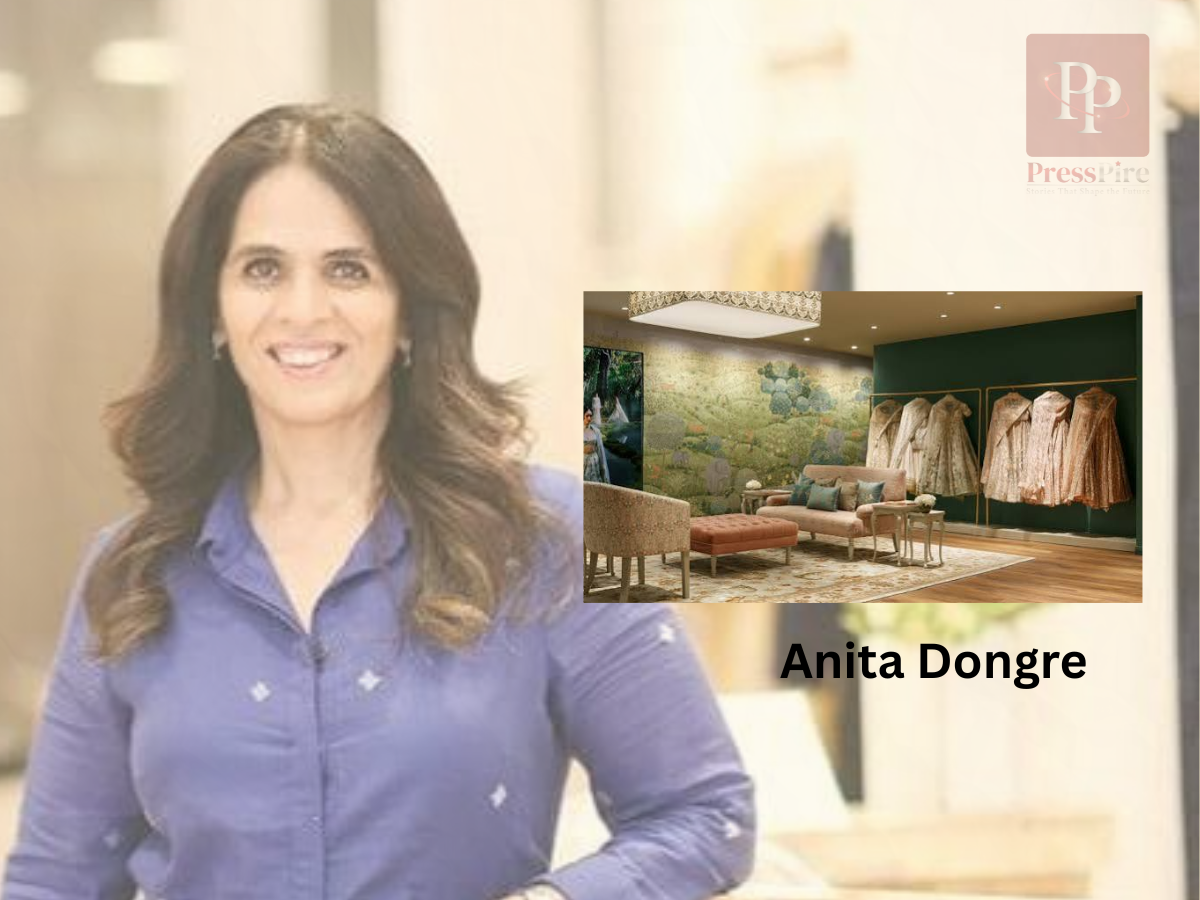
The brand also understood the power of retail experience early on. Exclusive stores helped create a luxurious but approachable environment for shoppers. Customers were not just buying garments; they were buying into a lifestyle associated with elegance, Indian heritage and modern femininity.
Sustainability Became More Than a Trend
As global conversations around sustainable fashion began gaining momentum, Anita Dongre positioned itself ahead of many competitors by integrating ethical fashion into its business model.
The company actively promoted Indian artisans and traditional crafts, especially from rural regions of Rajasthan. Hand embroidery, handcrafted textiles and artisan-led production became important pillars of the brand identity.
Instead of mass-producing fast fashion, the label focused on craftsmanship-driven collections that highlighted India’s rich textile heritage. This approach not only strengthened the brand’s premium image but also appealed to environmentally conscious consumers.
The company also launched initiatives supporting women artisans and rural employment, which further strengthened its reputation as a socially responsible fashion business.
In an industry often criticised for wasteful practices and exploitative labour, Anita Dongre’s sustainability narrative became an important differentiator.
Celebrity Power and Global Visibility
Another major factor behind the brand’s rise was its visibility among celebrities and international audiences. Bollywood stars, influencers and public figures frequently appeared in Anita Dongre creations, helping the label become synonymous with modern Indian luxury.
The brand gained international attention when global personalities, including members of international royalty and Hollywood celebrities, wore Anita Dongre outfits. Such appearances introduced Indian handcrafted fashion to a wider audience and strengthened the label’s global credibility.
At the same time, the company successfully adapted to digital transformation. Strong online retail presence, social media storytelling and e-commerce expansion helped the brand stay connected with younger consumers. Unlike many legacy fashion businesses that struggled with changing shopping behaviour, Anita Dongre embraced digital platforms while preserving its handcrafted identity.
Challenges in a Fast-Changing Fashion Industry
Despite its success, the journey has not been without challenges. The Indian fashion market has become intensely competitive, with new designer labels, fast-fashion giants and direct-to-consumer brands entering the space.
Consumer preferences are also evolving rapidly. Younger buyers now seek affordability, sustainability, individuality and convenience at the same time. Maintaining exclusivity while scaling operations remains a difficult balance for premium fashion brands.
The pandemic period further disrupted retail and occasion wear businesses globally. Wedding-related fashion slowed temporarily, and brands had to rethink inventory, pricing and digital engagement. However, Anita Dongre’s established brand trust and diversified portfolio helped the company navigate these disruptions better than many smaller labels.
The Future of Anita Dongre
Today, Anita Dongre represents more than a fashion label. It has become a case study in how Indian fashion brands can scale while staying rooted in culture and craftsmanship.
The future growth of the company is likely to depend on three major areas, global expansion, sustainable luxury and digital commerce. International consumers are increasingly appreciating Indian textiles, artisanal work and handcrafted fashion. This gives the brand a strong opportunity to strengthen its presence in global luxury markets.
Sustainability will also continue to shape the company’s direction. Consumers are becoming more conscious about ethical sourcing and slow fashion, areas where Anita Dongre already has a strong foundation. At the same time, technology-driven retail, personalised shopping experiences and online-first collections are expected to play a larger role in the brand’s next phase of growth.
From a small apartment workshop in Mumbai to becoming one of India’s most influential fashion businesses, the Anita Dongre story reflects the evolution of Indian fashion itself. The brand succeeded not only because of creative designs but because it understood the emotional connection Indian consumers have with clothing, celebration and identity. In an industry where trends change quickly, Anita Dongre’s greatest achievement has been building a timeless brand that continues to evolve without losing its cultural soul.