The Quiet Revolution: How Sri Sri Ravi Shankar Built a Global Movement Through Human Connection
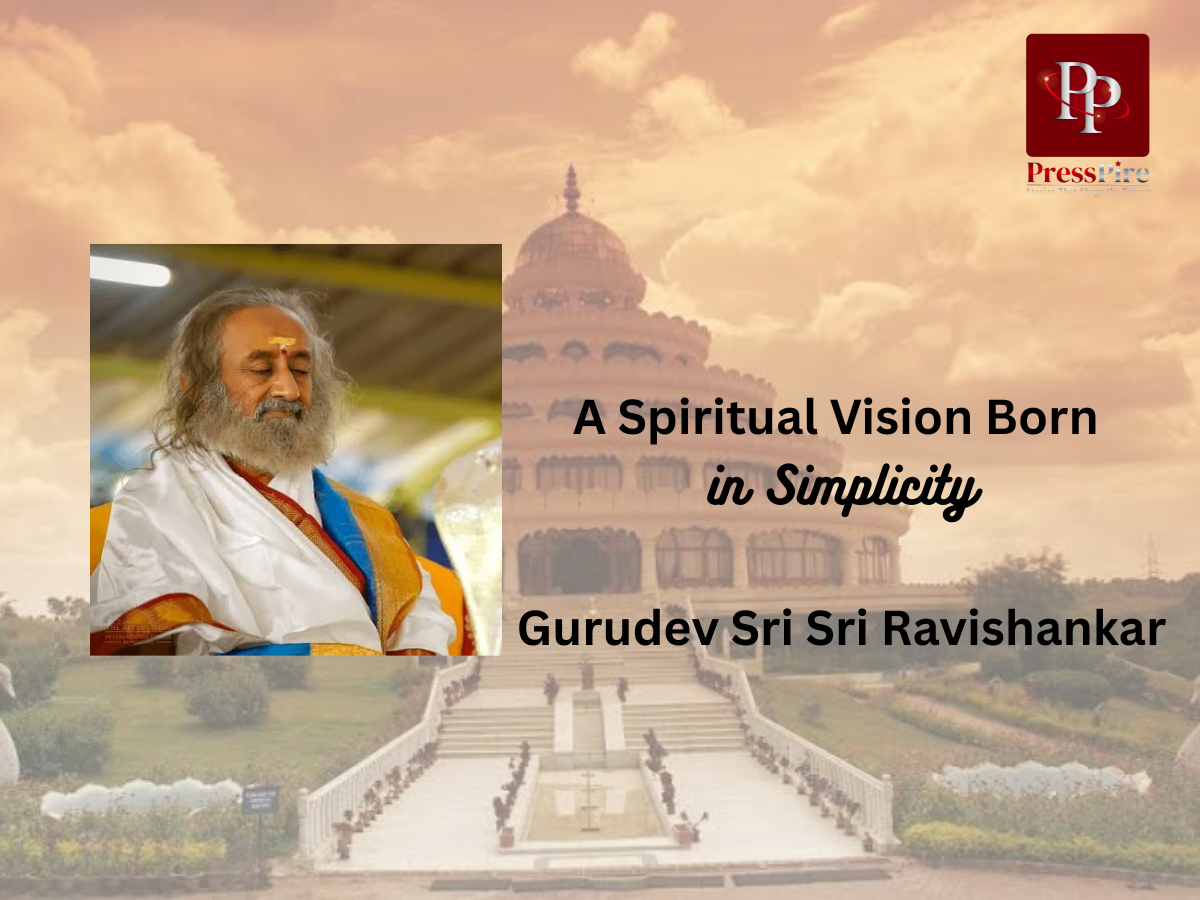
A Spiritual Vision Born in Simplicity
Long before he became a globally recognised spiritual leader, Sri Sri Ravi Shankar was a quiet child growing up in southern India with an unusual inclination toward meditation and scriptures. Born in 1956 in Tamil Nadu, he displayed signs of spiritual curiosity at an early age. By the time most children were learning basic lessons in school, he was reportedly reciting verses from the Bhagavad Gita with remarkable ease.
Yet, the story of Sri Sri Ravi Shankar is not merely about spirituality. It is about leadership, timing, communication, and the ability to transform an idea into a worldwide movement. While many spiritual teachers remained confined to temples or regional communities, he managed to build a structured global organisation that reached millions across continents.
His success did not emerge from inherited wealth, political influence, or corporate backing. It came from identifying a growing emotional gap in modern society, stress, loneliness, anxiety, and the search for inner balance.
The Birth of an Idea That Reached the World
The turning point came in the early 1980s. After spending years studying meditation and observing human behaviour, Sri Sri Ravi Shankar developed what later became known as the Sudarshan Kriya, a rhythmic breathing technique designed to reduce stress and improve emotional well-being.
In 1981, he founded The Art of Living Foundation with a simple but ambitious vision: creating a stress-free and violence-free society. At the time, India was witnessing rapid urbanisation and economic change. Globally, people were becoming increasingly career-driven but emotionally exhausted. Mental wellness conversations were still uncommon, and spiritual practices often appeared disconnected from modern life.
Sri Sri Ravi Shankar entered this space with a different approach. Instead of preaching renunciation, he spoke about balance. Instead of isolating spirituality from daily life, he integrated it with work, relationships, leadership, and social responsibility. This positioning became the foundation of his leadership model.
Leadership Rooted in Accessibility
One of the biggest reasons behind his impact was his ability to simplify complex spiritual ideas into relatable conversations. His teachings avoided rigid religious language and focused on practical themes such as stress management, happiness, emotional resilience, and human values.
This accessibility helped him connect with people from different cultures, professions, and age groups. Corporate leaders, students, government officials, celebrities, and rural communities could all engage with his message without feeling excluded.
Unlike many traditional spiritual movements that relied heavily on hierarchy, The Art of Living grew through volunteer-driven participation. Individuals who benefited from workshops often became teachers, organisers, and ambassadors of the movement. This decentralised structure played a major role in scaling the organisation globally.
Building a Global Organisation Like a Modern Startup
The rise of The Art of Living resembles the growth story of a mission-driven startup more than a conventional spiritual institution.
In its early years, the organisation operated with limited resources but a clear value proposition. Workshops focused on breathing techniques, meditation, and personal development began spreading through word-of-mouth recommendations. Participants often described immediate improvements in mental clarity and emotional well-being, which strengthened trust in the organisation.
As demand increased, The Art of Living expanded internationally. Today, the organisation operates in more than 180 countries and conducts programs ranging from meditation workshops to leadership training, prison rehabilitation, rural development, education, and disaster relief.
What makes this growth remarkable is the consistency of its core message. While the organisation diversified its activities, it never moved away from its central idea: improving human well-being through inner transformation. This strategic clarity allowed the movement to maintain relevance across cultures and generations.
The Power of Emotional Intelligence
Sri Sri Ravi Shankar’s leadership style stands out because it relies heavily on emotional intelligence rather than authority.
He rarely positioned himself as an inaccessible spiritual figure. Instead, his communication style remained conversational, calm, and often humorous. This created emotional trust among followers and reduced the distance typically associated with leadership.
At a time when global conversations around mental health, burnout, and emotional wellness have become more important than ever, his teachings appear increasingly relevant.
His programs also focused heavily on community-building. Whether through volunteer networks, group meditations, or social initiatives, participants felt part of something larger than themselves. This emotional belonging strengthened loyalty and sustained long-term engagement.
Many leadership experts believe that modern influence is no longer built only through authority or expertise but through emotional connection. Sri Sri Ravi Shankar understood this decades before it became a mainstream management principle.
Beyond Spirituality: Social Impact and Global Reach
Another key factor behind his influence is the organisation’s active involvement in humanitarian work.
The Art of Living has participated in disaster relief operations, rural development programs, environmental campaigns, education initiatives, and conflict resolution efforts in different parts of the world. The organisation has also worked in prisons to introduce stress-relief programs aimed at rehabilitation.
These initiatives helped expand the movement beyond spirituality and positioned it as a socially conscious global institution. In leadership terms, this was significant. People increasingly support organisations that demonstrate measurable social impact rather than simply promoting ideas. By combining personal transformation with social responsibility, Sri Sri Ravi Shankar created a model that appealed to both emotional and practical dimensions of leadership.
Why His Influence Continues to Grow
The modern world is experiencing an unprecedented rise in stress, digital fatigue, and emotional disconnection. In such an environment, leaders who offer clarity, calmness, and emotional stability naturally attract attention.
Sri Sri Ravi Shankar’s lasting success lies in his ability to remain relevant without dramatically changing his core philosophy. His message continues to resonate because it addresses timeless human needs; peace, purpose, connection, and inner balance.
More importantly, he transformed spirituality into an organised global movement without making it feel inaccessible or intimidating. That is perhaps his greatest leadership achievement. He did not simply build followers. He built a community-driven ecosystem centred on emotional well-being, human values, and shared purpose; principles that continue to shape millions of lives around the world.