
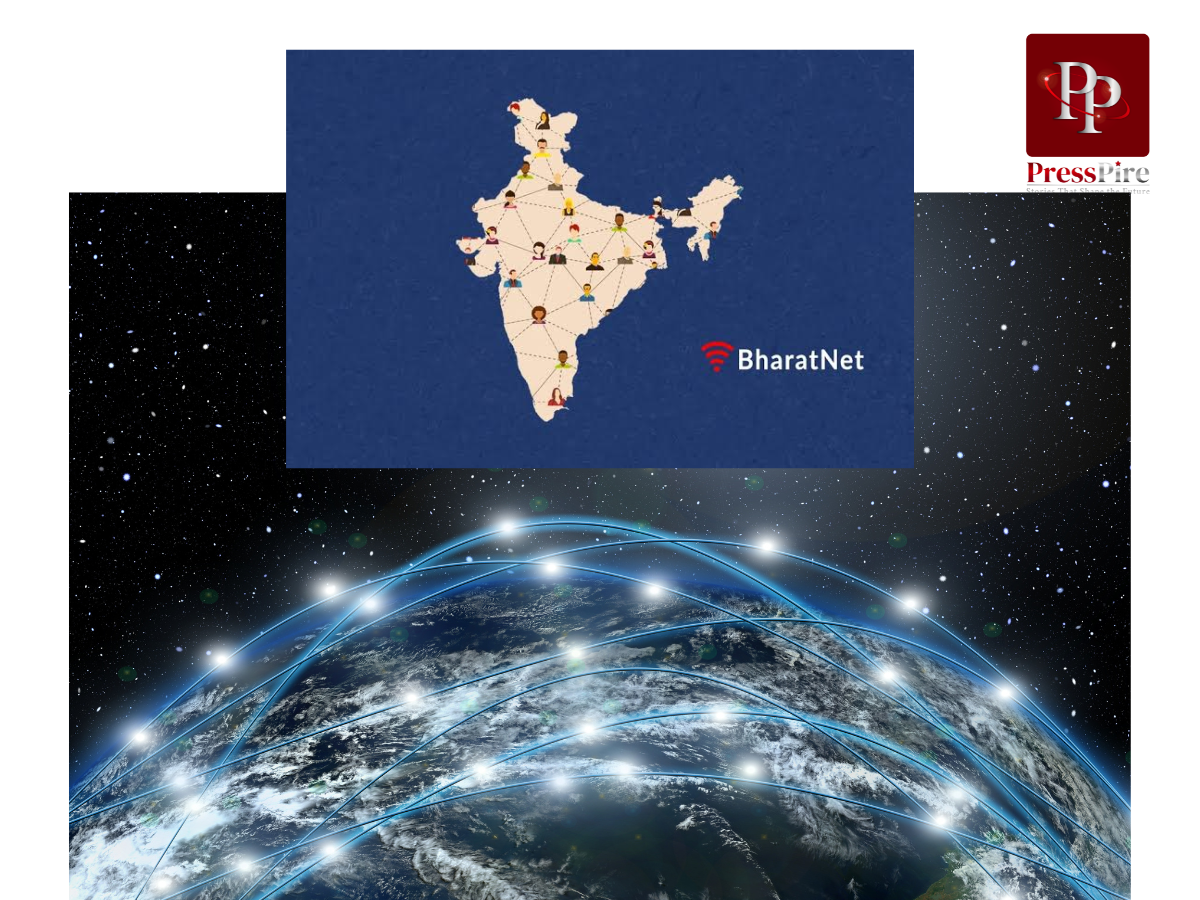
BharatNet’s Rural Internet Hits a Roadblock: More Than Half the Connections Remain Inactive
BharatNet, the Indian government’s flagship rural broadband initiative designed to bridge the country’s digital divide, is facing a major last-mile connectivity challenge. Despite years of investment and infrastructure expansion, only about 45 per cent of commissioned broadband connections under the scheme are currently active, raising fresh questions about the effectiveness of one of the world’s largest rural internet projects.
Data obtained through a Right to Information (RTI) request shows that while BharatNet had commissioned approximately 13.23 lakh broadband connections by March 2026, only 8.01 lakh of those connections were actively being used. This means that more than 5 lakh connections remain inactive despite the network infrastructure being in place.
The figures highlight a growing concern within India’s digital infrastructure ecosystem: building broadband networks is only half the battle. Ensuring that households, businesses, schools, healthcare centres, and local institutions actually use those networks remains a far bigger challenge.
Table of Contents
BharatNet: Designed to Transform Rural India
Launched in 2011, BharatNet was envisioned as a transformational project that would bring high-speed broadband connectivity to every Gram Panchayat in the country. The initiative forms a key pillar of the government’s Digital India programme and is considered one of the largest rural telecommunications projects in the world.
The project’s objective is straightforward but ambitious: provide broadband infrastructure across rural India and enable telecom operators, internet service providers, educational institutions, healthcare providers, and local entrepreneurs to deliver digital services in villages that have historically lacked reliable internet access.
Over the years, the government has invested tens of thousands of crores into laying optical fibre networks across the country. More than 2.14 lakh Gram Panchayats have been connected through BharatNet, and nearly 7 lakh kilometres of optical fibre cable have been deployed as part of the initiative. On paper, the progress appears impressive. On the ground, however, utilisation remains far below expectations.
The Last-Mile Problem at BharatNet
Industry experts have long argued that BharatNet’s biggest challenge is not fibre deployment but “last-mile connectivity”, the final link that connects the network to actual users. While fibre cables may reach a village, residents still require affordable broadband services, operational Wi-Fi hotspots, local service providers, reliable electricity, and digital literacy to make meaningful use of the infrastructure.
Parliamentary committees and telecom experts have repeatedly flagged this issue. Reports have noted that although broadband infrastructure has expanded significantly, actual usage of the network remains suboptimal across many regions. The latest figures appear to validate those concerns. According to the RTI data, BharatNet added only around 98,842 new commissioned connections between January 2025 and March 2026. More concerningly, growth in active users has been slowing steadily over the past three years. Active subscriber additions reportedly declined from 4.55 lakh in 2023 to 2.86 lakh in 2024 and further to 2.08 lakh in 2025.
The slowdown suggests that expanding infrastructure alone may no longer be enough to drive rural broadband adoption.
Wi-Fi Hotspots Paint a Similar Picture under BharatNet
Another worrying indicator is the performance of public Wi-Fi infrastructure created under BharatNet. Government data previously showed that over 1.04 lakh public Wi-Fi hotspots had been installed under the scheme. However, only a tiny fraction of these hotspots were reported to be operational. As of September 2025, only 766 public Wi-Fi hotspots were active, representing less than 1 per cent of the installed base.
Independent studies have also pointed to poor utilisation levels. A 2025 assessment of BharatNet highlighted that only a small percentage of installed rural Wi-Fi hotspots were actively serving users, underlining the gap between infrastructure creation and service delivery. Since public Wi-Fi is considered one of the most important tools for extending internet access in villages, low operational numbers directly affect BharatNet’s ability to reach end users.
Missed Targets and Delayed Deadlines at BharatNet
BharatNet’s implementation journey has been marked by repeated delays. The project has undergone multiple phases since its launch and has missed several completion deadlines over the years. Experts have pointed to execution bottlenecks, coordination challenges among implementing agencies, funding utilisation issues, and difficulties in providing last-mile connectivity in remote areas.
The Department of Telecommunications had reportedly set a target of providing 18 lakh fixed broadband connections under BharatNet by March 2026. With only 13.23 lakh commissioned connections achieved and just 8.01 lakh active users, the programme remains significantly short of its intended utilisation goals. A Parliamentary Standing Committee had earlier observed that usage levels remained lower than expected despite substantial progress in creating the underlying infrastructure. It also noted concerns regarding the utilisation of allocated funds under the programme.
Why It Matters
The stakes are particularly high because BharatNet is not merely a telecom project. It is intended to serve as the digital backbone for rural India.
The network supports initiatives related to:
- Digital education
- Telemedicine
- Online government services
- Digital payments
- E-commerce access
- Rural entrepreneurship
- Agricultural advisory services
Reliable internet connectivity has become increasingly essential for economic participation, especially after the rapid digitalisation witnessed over the past decade. If the network remains underutilised, the social and economic benefits envisioned under Digital India could take much longer to materialise.
Government Push Continues for BharatNet
Despite the challenges, the government continues to back the project aggressively. The Union Cabinet approved a revamped BharatNet programme worth ₹1.39 lakh crore aimed at accelerating rural broadband penetration, improving fibre deployment, and strengthening last-mile connectivity. The upgraded programme also seeks to incorporate newer technologies and expand network coverage to underserved areas.
Officials maintain that BharatNet remains critical to India’s digital future and that infrastructure creation at such scale inevitably requires time before usage catches up. Recent government updates indicate that the network continues to expand, with more Gram Panchayats being connected and additional broadband services being rolled out across rural regions.
The Road Ahead for BharatNet
The latest data serves as a reminder that digital inclusion is about more than laying fibre optic cables. Connectivity becomes meaningful only when people actively use the services available to them. For BharatNet, the next phase of success will depend less on kilometres of fibre laid and more on whether rural households, schools, businesses, healthcare centres, and local institutions begin adopting broadband services at scale.
After more than a decade of investment and multiple rounds of expansion, India’s ambitious rural internet mission now faces its most important test: converting infrastructure into actual usage.
Until that happens, BharatNet’s biggest challenge may not be reaching villages, but reaching the people it was built to serve.
For more insights navigate: PressPire | Stories That Shape the Future
Read Previous Article here: ThynkTech India
Follow PressPire on Facebook | Instagram | LinkedIn | YouTube
PressPire | Stories That Shape the Future